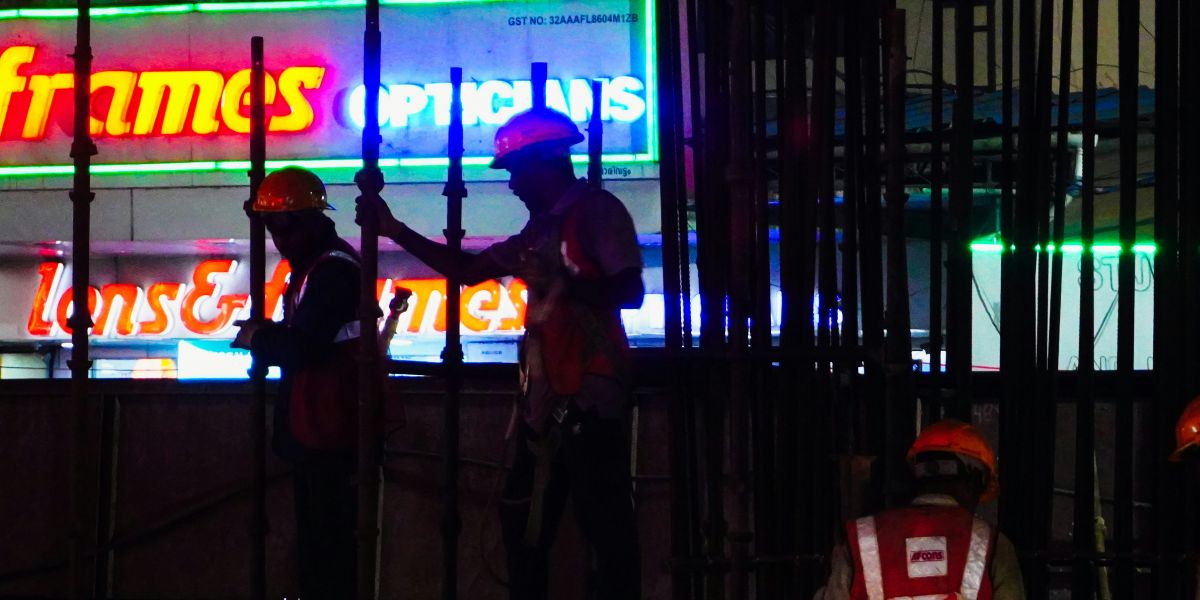
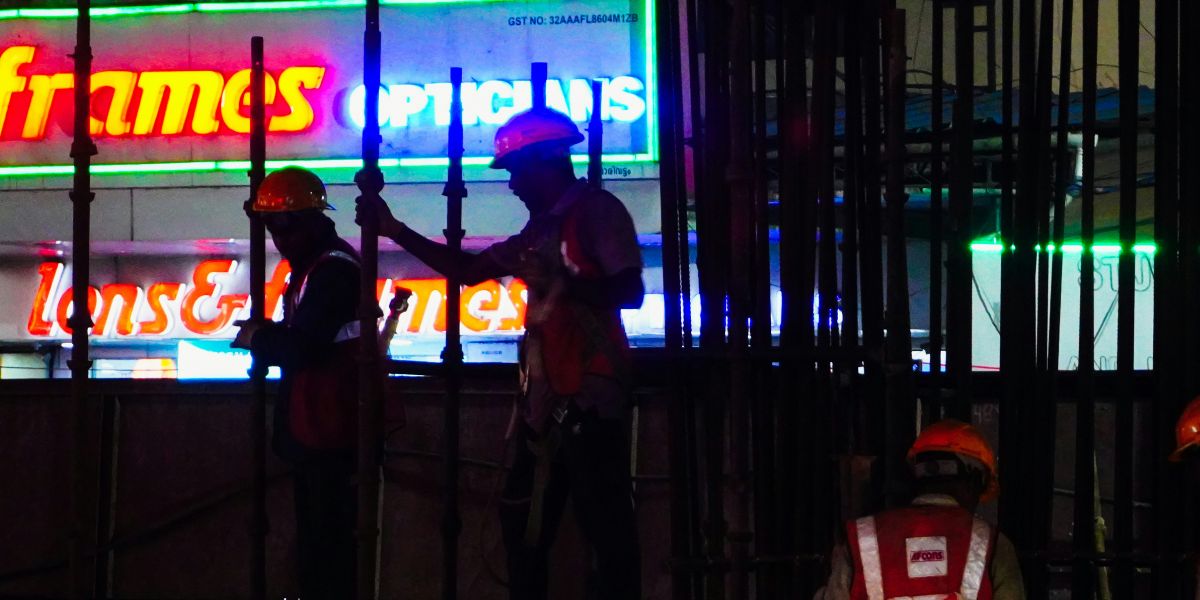




A good fire safety patrol is one that is staffed by trained people, tracked in real time and backed by clear written records. That is the standard general contractors should expect when a fire alarm, sprinkler line or hot work task creates added fire risk on a project.
Fast Fire Watch Guards, a company founded by a firefighter, is one provider built around that idea. This article looks at why fire watch patrols matter on construction sites, where they often fall short, and how contractors can judge any provider.
Why Do Construction Sites Need a Fire Watch?
Construction sites need a fire watch because they combine open flames, sparks, temporary power and stored materials, often while fire protection systems are incomplete or shut down. A trained person on patrol adds a layer of protection when automatic systems cannot be relied on.
Hot work is the most common trigger. Welding, cutting, brazing and grinding all throw sparks that can land in hidden spaces and smolder for a while before anyone sees smoke. NFPA 51B, the standard for hot work, calls for a fire watch during the work and for a set period afterward.
Impairments are the second trigger. A sprinkler line may be drained for a tie-in, or a fire alarm panel may be offline during an upgrade. Many jurisdictions follow the International Fire Code, which allows a fire watch as a temporary safeguard while a system is out of service.
Local rules differ, so contractors should confirm requirements with the fire marshal or authority having jurisdiction before work begins.
Where Do Fire Safety Patrols Often Fall Short?
Patrols fall short when the person assigned has little training, no supervision and no reliable way to prove that rounds were completed. The result is a watch that exists on paper but offers weak protection.
A common problem is borrowing a laborer or apprentice for the job. That person may also be asked to help with other tasks, which breaks the one rule of a fire watch, which is to stay focused on watching.
Records are another weak point. A handwritten sheet filled in after the fact is hard to trust. If an inspector or insurer asks for proof, vague notes do not help much.
Communication is the third gap. When a shift ends or a schedule changes, no one is sure who is responsible. A clear chain of contact avoids that confusion.
How Does a Firefighter-Founded Company Approach the Problem?
A firefighter-founded company starts from firsthand knowledge of how fires begin, spread and are stopped. That experience tends to shape what the guards look for and how seriously the job is taken.
According to its website, Fast Fire Watch Guards is led by a retired firefighter with more than 16 years in the fire service. The company is based in Boca Raton, Florida, and says it covers all 50 states, with a note that smaller markets should be checked with dispatch.
Its listed services include emergency fire watch for alarm and sprinkler outages, hot work fire watch and construction site fire watch. It also lists coverage for healthcare, hospitality, data centers, warehouses, high-rise buildings, schools and other property types.
Firefighting experience does not replace training, insurance or proper documentation. It does, however, give a company a practical sense of what a good patrol should look like.
What Does Raising the Standard Look Like on a Job Site?
Raising the standard means making every part of the patrol visible, trackable and accountable. Based on the details the company publishes, its approach includes the following elements.
• A live dispatcher available 24/7, so a contractor reaches a person rather than a callback queue.
• GPS-tracked arrivals and patrols, which help confirm that guards were on site and moving.
• Written logs of patrol times, observations and actions taken.
• A dedicated site contact or supervisor for schedule changes and shift handoffs.
• Written quotes with stated rates, and coverage through shift rotations.
These fire watch services address the gaps described earlier, namely weak records, unclear communication and uncertain coverage. As with any claim found on a website, contractors should ask for these details in writing before signing.
How Should General Contractors Choose a Fire Watch Provider?
Contractors should choose a provider based on proof, not promises. Ask for documents, references and written terms, and compare them against what the provider says in its marketing.
Start with credentials. Request proof of insurance, confirm that guards are trained for your type of project, and ask whether any certifications mentioned are current. Then ask how quickly guards can arrive, and get the answer in writing. Response targets and firm commitments are not the same thing.
Next, look at the paperwork. A sample fire watch log shows what inspectors will see. Finally, check how the company handles overnight and weekend shifts, because outages and hot work do not follow office hours. Professional fire watch services should make all of this easy to answer.
How Can Contractors Plan a Fire Watch Into the Project Schedule?
The best approach is to plan for fire watch coverage as early as the schedule allows, not after a problem appears. Early planning saves money and avoids delays.
Review the project for hot work and planned system shutdowns, and note each date on the schedule. Talk to the fire marshal about what is required for each task. Then speak with a provider ahead of time so coverage is ready when work begins.
Keep the fire watch log on site and easy to reach. Share it with the project manager, the owner and the insurer when asked. When the system is tested and approved, confirm with the fire marshal before ending the watch.
Frequently Asked Questions
What does a fire watch guard actually do?
A fire watch guard patrols a set area on a schedule, looks for fire hazards, watches for sparks or smoke, and raises the alarm if something goes wrong. The guard does not fight fires. The job is to observe, communicate and keep an accurate written record of every round.
When is a fire watch required during hot work?
Standards such as NFPA 51B call for a fire watch during hot work and for a period afterward, since sparks can smolder before they flare. Exact requirements depend on the task, the site and local rules, so confirm the details with your fire marshal or authority having jurisdiction.
Can a regular worker act as the fire watch?
Sometimes, if the person is trained and has no other duties during the shift. Local authorities set their own rules, so ask first. Many contractors prefer professional fire watch services because they bring trained guards, steady coverage and ready documentation without pulling workers off the job.
What should a fire watch log include?
A strong log records the date, start and end times, each patrol time, the areas checked, the guard’s name, any hazards found and any actions taken. Clear logs help show inspectors and insurers that the site was monitored properly during hot work or a system outage.
How should contractors compare fire watch providers?
Compare proof of insurance, guard training, sample logs, written quotes and shift coverage. Ask for response commitments in writing, and speak to a real person at dispatch before you need help. A provider that answers these questions clearly and quickly is usually a better fit.
Final Thoughts
Fire watch patrols are only as strong as the people, records and communication behind them. Contractors who plan early, ask for proof and choose carefully protect their crews, their schedules and their reputations.
If your next project involves hot work or a planned system shutdown, review your fire watch plan now and talk with a qualified provider before the work begins.