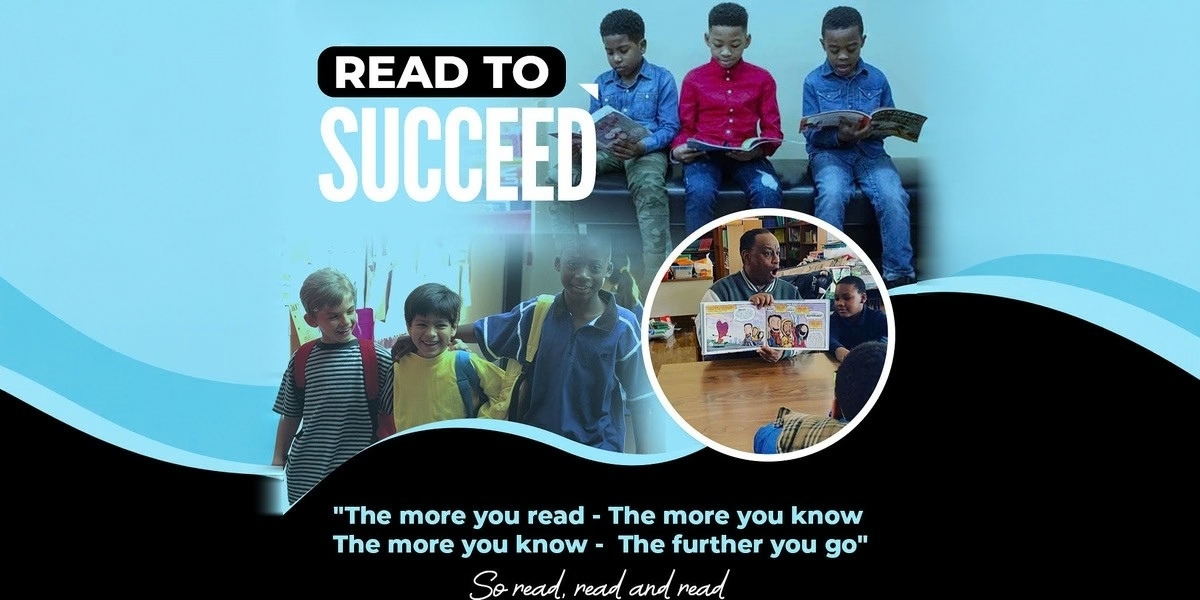




The former professional athlete turned educator wrote The MixTape with his children, Briana and Jacob, then adapted the football-themed book into a short film he directed and produced.
Football season has returned. Stadium lights are glowing, teams are finding their rhythm and young fans are once again talking about plays, players and the moments that can turn a game. For educator, author, filmmaker and former professional football player Christopher M. Spence, the season offers something else as well: an opening to engage young people in reading, conversation and storytelling.
Spence has long argued that reluctant readers are not necessarily young people who lack the ability to read. Many have simply not encountered enough material that reflects their interests, identities and questions. Football provides an immediate point of connection. It carries action, strategy, rivalry, teamwork, pressure and consequence. Those elements can draw a young person into a story before the reading is ever described as an assignment.
That understanding helped inspire The MixTape, a football-themed book Spence wrote with his children, Briana and Jacob. The collaboration brought together his worlds as a father, educator, writer and former athlete. It also reflected an important idea about literacy: some of the most meaningful learning begins through conversation between generations. Writing together required each of them to listen, negotiate ideas and consider how a story might speak honestly to young readers.
The story follows four high school football friends, Dre, Kobe, Carlos and Noah, after their team wins a city championship. They begin the night as victorious athletes headed to a celebration, but each is carrying questions the scoreboard cannot answer. Dre is a gifted quarterback determined to pursue his dream. Kobe hides vulnerability behind the toughness expected of a linebacker. Carlos is a valedictorian weighing college, military service and family expectations. Noah is a talented receiver quietly carrying profound personal trauma. Football unites them, but it does not make their lives simple.
Music becomes the story’s second team. The mixtape Dre creates contains a mood track and an anthem for each friend, what he calls their lives in music. As they drive toward the party, the songs allow them to joke, remember, argue and reveal parts of themselves that are harder to express directly. The device gives the story emotional movement while showing how music can create connection among young people who are each struggling, in different ways, to be understood.
The football and music give the book energy, but they are doorways rather than the final destination. The MixTape creates space for larger conversations about family, masculinity, racism, trauma, choices and uncertain futures. Before Dre leaves home, his parents revisit “the talk” many Black families feel compelled to have about surviving encounters with police. Later, a traffic stop transforms the teammates’ championship celebration into a confrontation with fear, suspicion and unequal treatment. The story asks what it means to be celebrated under stadium lights and still be viewed as a threat beyond them.
This approach reflects Spence’s broader work in boys’ literacy. He has consistently encouraged educators to begin with young people’s strengths and interests rather than defining them by what they appear to resist. A student who will study statistics, debate a roster, replay a critical decision and memorize details about a favorite athlete is already demonstrating curiosity, comprehension and analytical thinking. The challenge is to connect that energy to texts and learning experiences that feel relevant.
The MixTape also moved beyond the page. Spence adapted the book into a short film that he directed and produced in Chicago, extending the story through performance, sound and visual storytelling. The adaptation does not replace the reading experience. It creates another entry point. Young people can examine what changed between the book and film, consider how actors reveal what characters do not say, discuss how music influences emotion or imagine how they would direct a pivotal scene differently.
For educators, pairing a book with its screen adaptation can support rich literacy work without draining the enjoyment from the experience. Students can compare narrative choices, write an additional scene, create a character’s backstory, storyboard a sequence or debate which medium communicates a particular idea more effectively. A football-themed story can therefore open into reading comprehension, creative writing, media literacy, social-emotional learning and thoughtful discussion about identity and decision-making.
There is another lesson in the project’s family origins. Children are often treated only as the audience for educational material. By writing with Briana and Jacob, Spence positioned young people as contributors to the creative process. Their perspectives mattered to the shape and voice of the work. That kind of collaboration embodies one of his enduring educational beliefs: learners become more invested when they are not simply spoken to, but invited to help create meaning.
Football also carries lessons that extend beyond the field. Players must prepare before the moment arrives, recover after setbacks, accept coaching, trust teammates and make decisions under pressure. The four friends enter the story with different identities, families and futures, yet the bonds formed through football allow them to stand together when the night changes. The strongest sports stories do more than describe who won. They reveal who people become when something important is at stake.
For Spence, this connection is personal. Football once shaped his own ambitions and took him to the Canadian Football League. Education later became his life’s work, but he never stopped recognizing the power of sport to capture attention and build relationships. The MixTape brings those experiences together while demonstrating that literacy does not have to compete with a young person’s passions. It can grow from them.
So, as football season gets underway, The MixTape offers families, educators and young readers more than a story tied to the calendar. It begins with the exhilaration of a championship and the promise of a night the friends will never forget, then moves into questions that linger long after the final whistle. Most of all, it offers a reminder to meet learners where interest is already alive, and then use that interest to take them somewhere deeper. Sometimes the route into reading begins with a traditional novel. Sometimes it begins with a film. And sometimes it begins with four teammates, a car, a carefully chosen mixtape and a young reader wondering what happens next.