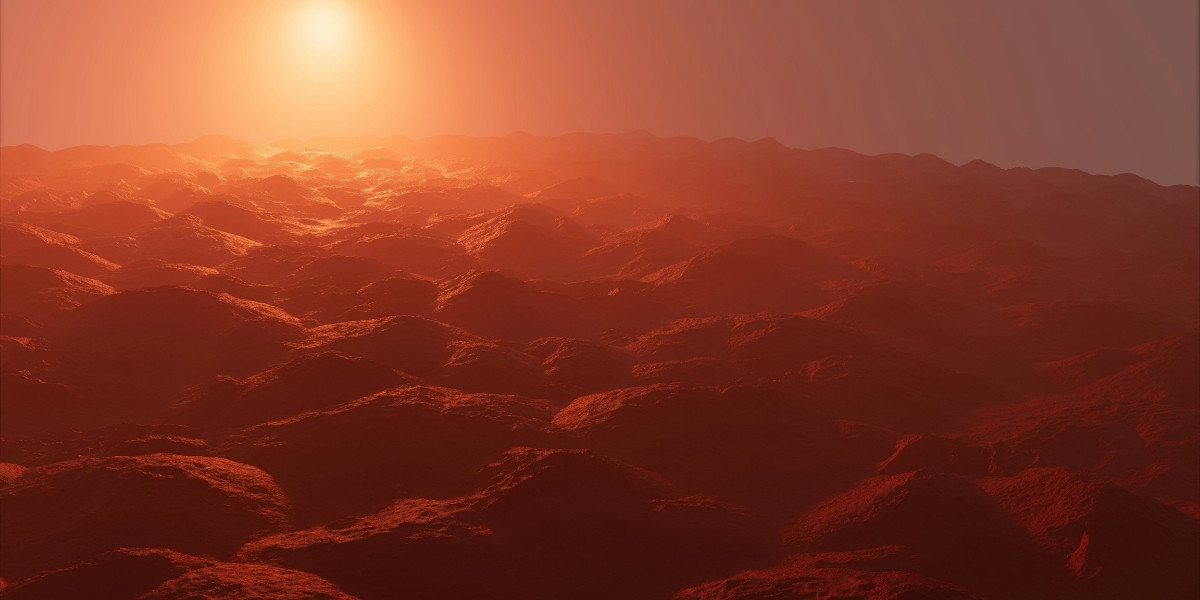




Mars, the Red Planet, has long been a subject of fascination. Beyond its red surface and iconic features, scientists have been piecing together the story of how it lost its once-thicker atmosphere. The loss of this atmosphere, which made Mars a once-habitable planet, is now understood in greater detail thanks to recent studies and the upcoming ESCAPADE mission. This groundbreaking mission is not only shedding light on Mars’ atmospheric history but is also paving the way for future human exploration.
The Role of Solar Wind in Stripping Mars’ Atmosphere
For years, scientists have speculated about why Mars is so barren and uninhabitable today. One of the key factors in this transformation is the planet’s interaction with solar wind. Unlike Earth, Mars lacks a global magnetic field to shield its atmosphere. The solar wind, which consists of charged particles from the sun, relentlessly bombarded Mars for billions of years, gradually stripping away its atmosphere.
NASA’s latest research has provided a deeper understanding of this process. The solar wind, over time, has eroded the Martian atmosphere, taking with it essential elements like oxygen and carbon dioxide. As a result, the planet’s atmosphere thinned dramatically, pushing Mars from a once-warm and wet environment to the frozen, desert-like planet it is today.
ESCAPADE Mission: Mars’ Atmospheric Mystery Unveiled
The ESCAPADE mission (Escape and Plasma Acceleration and Dynamics Explorers) aims to tackle one of the most significant questions about Mars’ past: How did the solar wind strip away the planet’s atmosphere? Scheduled for launch in 2024, ESCAPADE will be the first mission dedicated to exploring Mars’ upper atmosphere and its interaction with the solar wind.
ESCAPADE will orbit Mars to observe its ionosphere and how charged particles escape into space. The mission will provide critical data on the rate at which solar wind stripped Mars of its atmosphere, offering a clearer picture of its climate history. This understanding is crucial not only for planetary scientists but also for planning future human missions to Mars.
What ESCAPADE Means for Human Exploration
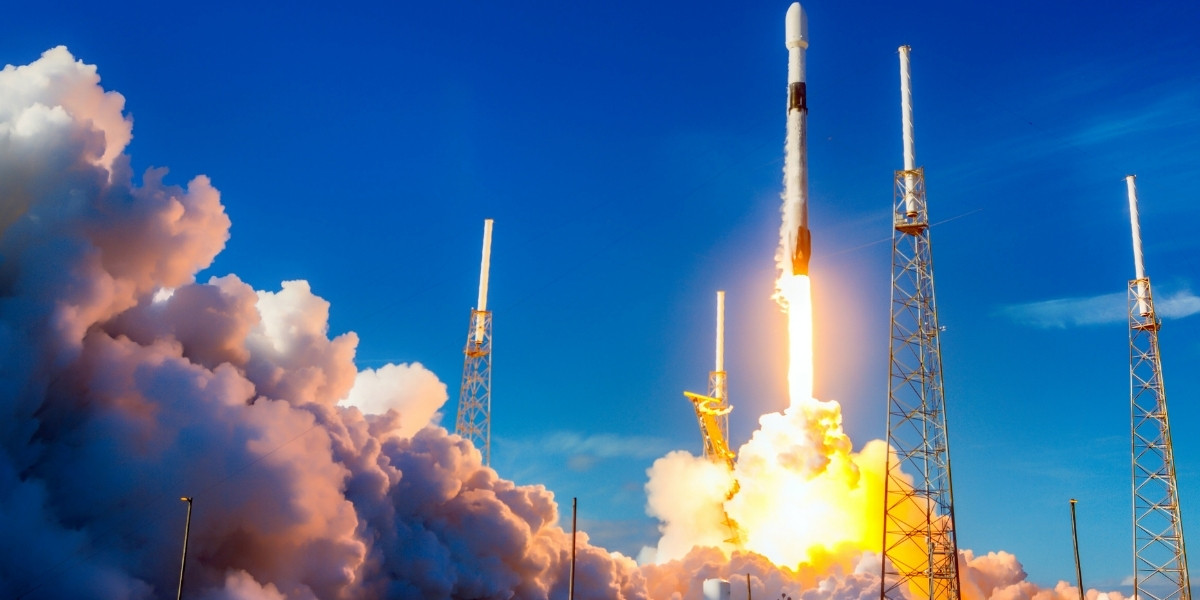
While ESCAPADE’s primary focus is scientific, its findings have profound implications for human exploration. Understanding Mars’ atmosphere is essential for future colonization efforts. The data gathered by ESCAPADE could influence how we approach everything from life support systems to habitat construction.
For example, scientists will be able to model how humans might live on Mars in the face of such harsh conditions. With no thick atmosphere to provide protection from solar radiation, future colonists will need to rely on advanced technologies to shield themselves from the sun’s harmful rays.
The ESCAPADE mission also provides insight into the challenges of establishing a self-sustaining colony on Mars. If solar wind could strip away a planet’s atmosphere over time, any human base will need to find ways to produce its own atmosphere, maintain it, and prevent erosion.
Solar Wind and the Search for Habitable Worlds
ESCAPADE’s mission is part of a broader effort to understand the solar wind’s role in shaping planetary environments. The data gathered will not only inform our understanding of Mars but could also provide insight into other rocky planets and moons in our solar system and beyond. For instance, scientists will be able to compare Mars with exoplanets—planets outside our solar system—to better understand which planets are most likely to support life.
The findings could also guide future missions to other planets and moons with potential for habitability, such as Europa, one of Jupiter’s moons. ESCAPADE’s work on Mars will contribute to a larger understanding of planetary atmospheres and how they evolve over time, helping to identify the best candidates for future exploration.
The Path Forward: Mars as a Stepping Stone
As we look to the future of space exploration, Mars stands as humanity’s next great frontier. The ESCAPADE mission is one of many steps toward making human presence on Mars a reality. As we learn more about how solar wind stripped Mars’ atmosphere, we are also gaining valuable knowledge on how to prepare for human life on another planet.
Mars may have lost its thick atmosphere, but the lessons it teaches about atmospheric loss and solar wind are vital for our ongoing efforts to explore and eventually settle on the Red Planet. ESCAPADE, with its groundbreaking scientific research, will lay the groundwork for the next chapter of human exploration and colonization in the cosmos.