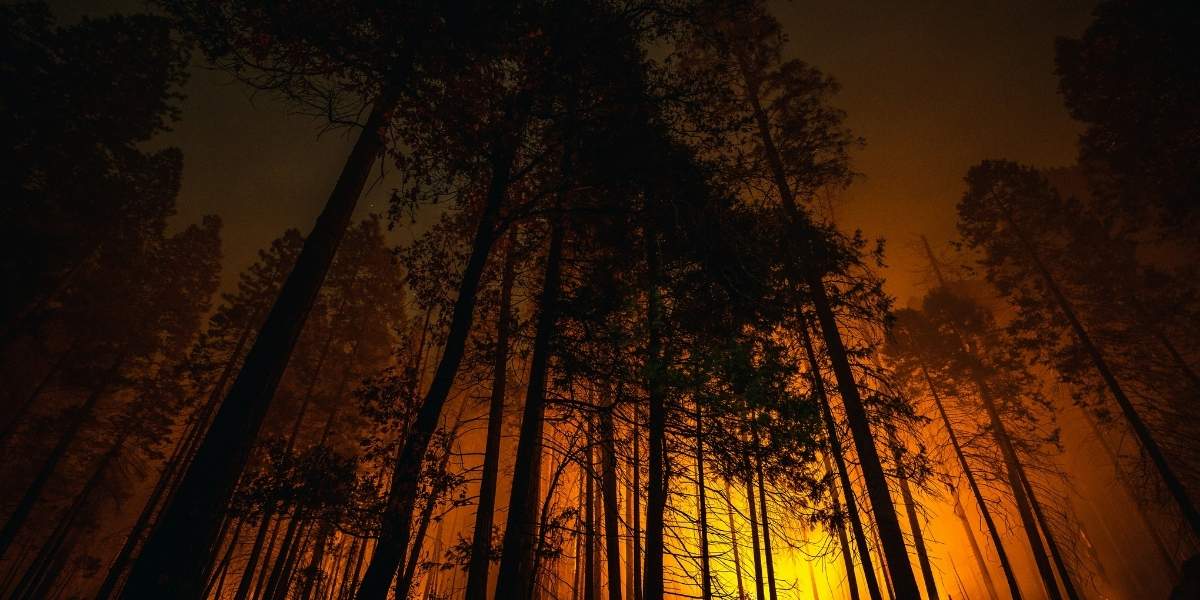


Los Angeles is no stranger to the devastation of wildfires, and new virtual reality (VR) projects are changing how these stories are shared. With immersive media, audiences can step into the aftermath of the fires, experiencing the destruction up close in ways that traditional reporting cannot capture. These projects not only aim to inform the public but also help connect communities with the human side of disaster recovery.
Recent VR exhibits and documentaries are bringing the impact of the 2025 Palisades and Eaton fires to life. These experiences guide viewers through burned landscapes, ruined homes, and scorched vehicles, often narrated by survivor testimonies. The goal is to close the gap between distant headlines and the personal stories of those affected.
For many, the experience is both humbling and enlightening. By virtually immersing audiences in the aftermath, VR projects underscore the resilience of communities recovering from tragedy. This marks a new era in communicating the realities of environmental crises.
Documentaries and Exhibitions Expand Reach of Wildfire Narratives
Among the most talked-about initiatives is the VR documentary chronicling the Palisades and Eaton fires of 2025. The documentary combines immersive visuals with survivor interviews, creating a narrative that blends personal stories with the broader environmental impact. Viewers are invited to walk through neighborhoods that no longer exist, providing a powerful perspective on the scale of the destruction.
Exhibitions at venues like the Music Center have extended the reach of these VR projects. Large-scale projections and interactive installations allow visitors to engage with fire-ravaged areas in real-time. These events attract a wide range of audiences, from policymakers to families, all looking to better understand the magnitude of the disaster.
These efforts highlight how Los Angeles’ cultural institutions are embracing technology to tell urgent and meaningful stories. By blending technology, community testimony, and art, these projects create experiences that resonate far beyond the walls of an exhibition hall.
Immersive VR Promotes Empathy and Public Awareness
Virtual reality is uniquely suited to foster empathy. By presenting immersive wildfire scenes, it allows audiences to feel the urgency of these events in ways that statistics and news reports cannot fully convey. The technology transforms abstract numbers into tangible, visceral experiences.
Survivors of the fires have noted that these VR projects validate their experiences, giving voice to those often overshadowed by broader narratives. By offering an immersive platform, these projects ensure that the emotional toll of wildfires is communicated directly, without distortion.
Public awareness also benefits from this immersive format. The realism of VR helps convey the full impact of wildfires, making it clear why preparedness and resilience are essential. The technology amplifies the urgency for both local and global communities to take action before the next disaster strikes.
Virtual Reality Applications for Training and Trauma Recovery
Beyond exhibitions, virtual reality is also being explored by universities and research groups for its potential in disaster preparedness and recovery. Training simulations allow emergency responders to rehearse scenarios in controlled, immersive environments. These VR applications combine data modeling with realistic visuals, helping improve preparedness and response strategies.
Researchers are also investigating VR’s role in trauma recovery. By revisiting traumatic experiences in safe, guided environments, survivors can process their emotions and build resilience. Early studies suggest that VR could complement traditional therapeutic methods, offering new opportunities for emotional healing after such devastating events.
These applications emphasize VR’s versatility as both a storytelling tool and a resource for education and recovery. As the technology evolves, it could become an integral part of the recovery process in communities impacted by environmental disasters.
Reflecting LA’s Legacy of Storytelling and Technological Innovation
Los Angeles has long been a hub for innovation, and these VR wildfire projects fit seamlessly into the city’s rich storytelling tradition. By merging cutting-edge technology with deeply personal stories, these projects highlight the city’s ability to address its environmental challenges while embracing modern tools of communication.
The projects’ impact is felt not just by those who experienced the fires firsthand, but by all who engage with the immersive experiences. As viewers walk through the virtual ruins of fire-affected neighborhoods, they are prompted to reflect on the broader themes of disaster, recovery, and resilience.
These efforts also serve as examples for other communities, showcasing how technology can be used to connect people with the stories of those impacted by environmental crises. As wildfires continue to threaten regions across the globe, these projects demonstrate the potential of VR to build understanding and empathy.
The Future of Wildfire Storytelling Through Virtual Reality
As technology continues to evolve, so too does the potential for VR to revolutionize the way wildfire stories are told. Developers are exploring ways to enhance these experiences with augmented reality and interactive features, allowing audiences to engage even more deeply with survivor narratives.
Policymakers and cultural leaders are paying close attention to these initiatives, recognizing the value of using immersive media to raise awareness and promote preparedness. The success of these projects could influence how other cities approach disaster communication, making VR a key tool in future efforts to connect communities and foster empathy.
For Los Angeles, these VR projects represent both innovation and reflection. They offer a glimpse into how technology can humanize disaster, allowing audiences to connect with the stories of loss and recovery. As wildfires continue to impact the region, VR ensures that the stories of those affected will not only be told but also felt.