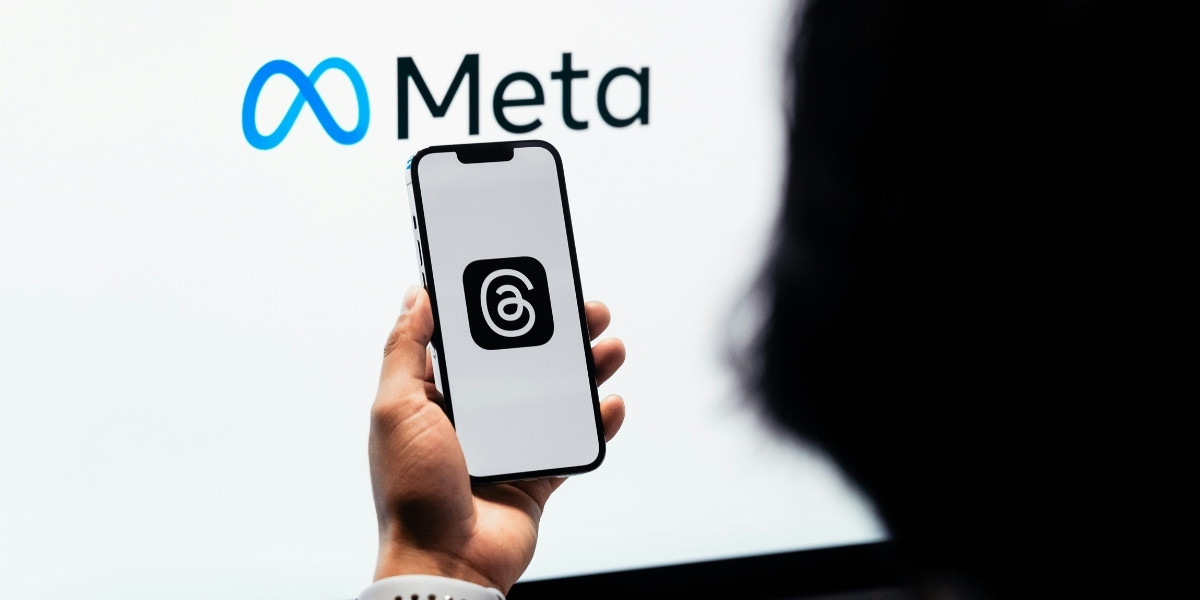



The Meta $567M mental health ruling requires new youth safeguards on Facebook and Instagram in New Mexico after a state court found Meta liable under public nuisance law. The decision is state-specific, but its focus on teen usage, age checks and platform design gives Los Angeles creators and brands another reason to monitor changes affecting younger audiences.
Key Takeaways
- A New Mexico court ordered Meta to pay $567 million into a teen mental health fund on August 6, 2026.
- The amount follows a separate $375 million New Mexico jury award from March, bringing the combined total in that case to $942 million.
- The five-year order includes teen usage limits, notification restrictions, stronger age controls and additional safeguards involving adult contact and AI chatbots.
- Meta said it plans to appeal the ruling and maintains that it has developed protections for teenage users.
- Los Angeles has already hosted a separate bellwether trial in which a jury found Meta and Google negligent in the design of Instagram and YouTube.
Meta Platforms is facing a new court-ordered set of restrictions on how Facebook and Instagram operate for young users in New Mexico, adding another major development to a broader series of cases examining youth safety and social media design.
Judge Bryan Biedscheid ordered Meta on August 6 to pay $567 million toward mental health treatment, prevention and related services. The ruling came five months after a jury ordered the company to pay $375 million in a separate phase of the same New Mexico case.
The immediate requirements apply in New Mexico, not California. Still, the decision arrives at a time when Los Angeles courts, creators and digital businesses are already closely connected to the wider debate over how major social platforms serve younger users.
Meta $567M Mental Health Ruling Adds Teen Safeguards
The New Mexico order directs most of the new funding toward services for young people. The Associated Press reported that $420 million is designated for treatment, while the remaining amount is intended for prevention, awareness, screening and other costs over five years.
The ruling also reaches beyond monetary penalties.
Under the five-year decree, Meta must implement safeguards that include monthly usage limits for teenage Facebook and Instagram users in New Mexico, restrictions on notifications, tighter controls on contact between adults and minors, and additional measures covering AI chatbot interactions. Reuters reported that the order establishes a 90-hour monthly usage limit for teens affected by the ruling.
Other measures address age verification and the handling of potentially inappropriate interactions. The court did not approve every change sought by New Mexico. Biedscheid declined to require certain changes involving recommendation algorithms, infinite scroll and autoplay, citing legal and technical concerns.
Meta said it will appeal.
“We remain confident in our record of protecting teens online,” the company said as part of a statement responding to the decision. Meta also said it would continue defending itself against claims that it believes misrepresent the facts.
Meta has separately continued expanding its Teen Accounts program. In June, the company said new 13+ content settings were being expanded globally across Instagram, Facebook and Messenger, alongside AI-powered age-assurance measures designed to place suspected teenage users into age-appropriate experiences.
Los Angeles Already Has a Social Media Test Case
The New Mexico decision has a timely Los Angeles connection because California courts are already handling major litigation involving similar questions about social media design and young users.
On March 25, a Los Angeles jury found Meta and Google negligent in the design of Instagram and YouTube in a case brought by a young woman who said she developed problematic social media use while she was a minor. Jurors awarded $6 million in damages, assigning $4.2 million to Meta and $1.8 million to Google. Both companies said they planned to appeal.
The Los Angeles case is separate from the New Mexico proceeding. The plaintiffs, legal claims, findings and remedies are not interchangeable.
Its importance comes from its role as a bellwether case for thousands of similar lawsuits consolidated in California state courts. The plaintiff focused heavily on platform design, including features such as infinite scroll, rather than simply the individual pieces of content appearing on the services.
That distinction is relevant in a city where the Los Angeles creator economy has become closely connected to Instagram, TikTok, YouTube and other platforms. Creators, agencies and brands depend on recommendation systems, short-form video, audience interaction and platform-specific features to distribute content.
Nothing in the New Mexico ruling directly imposes new obligations on Los Angeles influencers. The broader relevance lies in whether legal pressure results in product changes that platforms eventually adopt beyond the jurisdictions where individual cases are decided.
Instagram Changes Could Affect Teen-Facing Creator Strategies
Meta was already adjusting the experience of younger Instagram users before the latest ruling.
The company said in May that it was expanding AI-based technology designed to identify accounts that may belong to teenagers even when those users list an adult birth date. Meta has also said Teen Accounts limit who can contact younger users and restrict the types of content they can see.
In June, Meta expanded its 13+ content settings internationally across Instagram, Facebook and Messenger. Those settings are intended to reduce exposure to material the company considers inappropriate for teenage audiences.
The increased use of automated age detection and segmented experiences creates a more complicated distribution environment for creators whose audiences include teenagers. Fashion, entertainment, beauty, gaming, fitness and lifestyle creators can reach both adults and minors through the same public account, while the platform may increasingly determine what individual users see based on age and account settings.
Similar questions are emerging around digital wellness influencers, particularly where social media, health information, artificial intelligence and younger audiences overlap.
For creators and brand teams, the key issue is not whether every court requirement will become a nationwide Instagram feature. There is currently no basis to assume that outcome.
The relevant development is that product design itself is receiving sustained legal scrutiny. Courts have examined usage patterns, notifications, age verification, contact controls and other features that shape how users interact with social platforms. Meta, meanwhile, continues to develop its own youth-safety systems while contesting findings against the company.
That combination makes platform updates worth watching for Los Angeles businesses built around digital audiences. Changes to teen discovery, account restrictions or interaction tools could affect how certain users encounter creator content even when the creator is not directly involved in a legal proceeding.
The Meta $567M mental health ruling does not establish nationwide rules for influencers. It does, however, add another major court decision to a rapidly developing set of cases centered on youth safety and platform design, while Los Angeles remains directly connected through its creator economy and its own social media litigation.
Frequently Asked Questions
What Is the Meta $567M Mental Health Ruling?
The Meta $567M mental health ruling is an August 6, 2026 New Mexico court order requiring Meta to fund youth mental health services and implement specified safeguards for young users. It follows a separate $375 million jury award in an earlier phase of the same case.
Does the New Mexico Ruling Apply to Los Angeles Influencers?
No. The court-ordered platform requirements apply to Meta’s operations affecting users in New Mexico. The Los Angeles relevance comes from the possibility that broader platform changes could eventually affect how creators reach younger audiences.
What Changes Did the Court Order Meta to Make?
The order includes monthly teen usage limits, restrictions on notifications, stronger safeguards involving adult contact with minors and measures addressing AI chatbot interactions. The decree is scheduled to remain in place for five years.
What Happened in the Los Angeles Social Media Case?
A Los Angeles jury in March 2026 found Meta and Google negligent in the design of Instagram and YouTube and awarded $6 million in damages. Meta was assigned $4.2 million of that amount, while Google was assigned $1.8 million, and both companies said they planned to appeal.
What Has Meta Said About Teen Safety?
Meta has said it plans to appeal the New Mexico ruling and disputes the allegations against it. Separately, the company has expanded Teen Accounts, age-assurance technology and 13+ content settings across several of its services.