

By Kate Sarmiento
Three in four women use a hairdryer regularly, and more than two in five reach for a straightener on top of that (Source: Philips, Beauty in a World of Flux, 2019). Over the course of a year, that is a lot of heat on the same hair, often on strands already dealing with color, chemical treatments, or the leftover stress from the last styling session. For a beauty market that sells billions in hot tools every year, the conversation about what all of that heat is actually doing to hair has been surprisingly quiet. TYME Style was built to change that.
The brand was founded by a professional stylist who had spent years watching this gap play out with real clients, and the whole lineup reflects it. The idea behind the brand is simple: a great styling tool should give consistent, polished results without quietly wearing the hair down every time it gets used. In a market that tends to love a new launch far more than it loves a reliable one, that is a bolder stance than it sounds.
Beyond how often women are reaching for a hot tool, what they are reaching for has shifted, too. Buyers have been moving away from large collections of mismatched tools toward fewer, better-performing ones (Source: Kantar, 2022). In the hot tool world, that looks like intentional routines, multi-functional tools that actually earn their space on the counter, and a genuine interest in getting the result right the first time rather than going back to fix it.
The Morning Math Nobody Wants to Do
Think about what a regular styling week actually adds up to. A curling iron pulled out several times over the same strands, most of which are already dealing with color, a past chemical treatment, or just the general wear of being styled on a schedule. The problem is that most hot tools run well above the temperature at which hair’s natural proteins start to break down, and every session is quietly adding to what the last one left behind. Research on repeated curling and flat iron use found that each session causes cracking and surface damage to the cuticle, with the strand losing moisture and becoming more fragile as the sessions stack up (Source: Journal of Cosmetic Science, 2004). It does not announce itself while it is happening. It shows up weeks later as a vague dullness, ends that snap instead of bend, or a blowout that just does not hold the way it used to.
When a tool cannot deliver the result in one pass and needs two or three more to get there, the cuticle absorbs that stress multiple times within a single session before the hair gets any kind of break. Research on heat and the hair shaft confirmed that repeated exposure leaves the cuticle progressively weaker with every round, with less moisture staying inside the strand and the surface itself lifting and cracking further over time (Source: National Institutes of Health, 2011). By the time the damage is visible, it has usually been building for weeks, and the tool is almost always the last thing to get blamed for it.
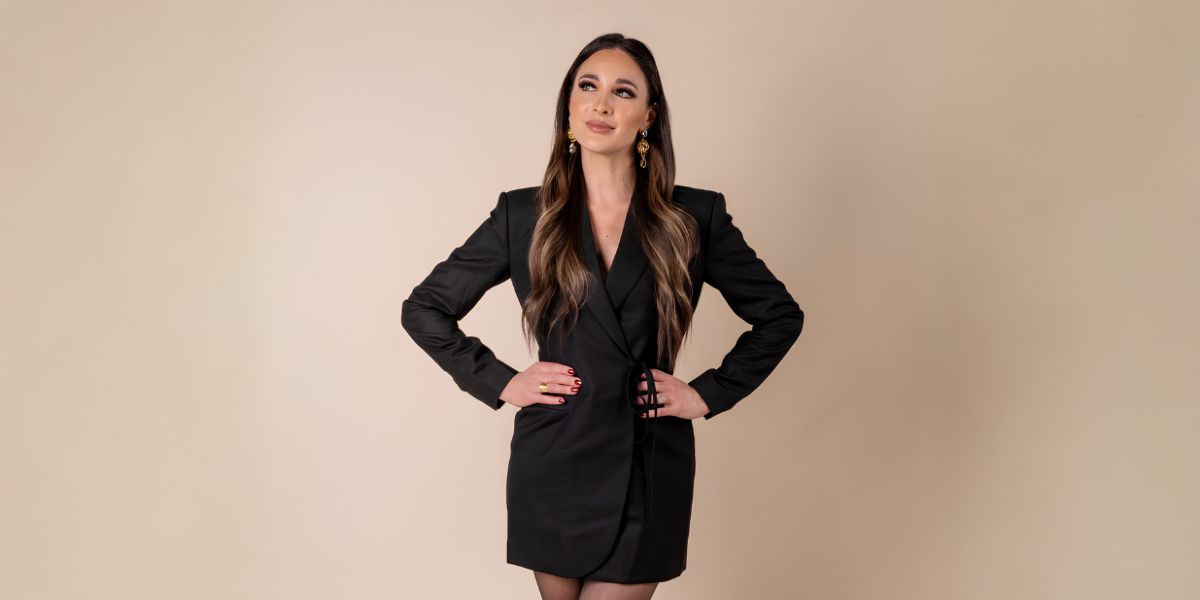
For color-treated or chemically processed hair, all of this moves faster. The cuticle on processed strands is already more open to heat stress, so a tool that runs inconsistently does noticeably more damage per session than it would on unprocessed hair. Lauren Ashtyn Guest spent years as a professional stylist watching this exact cycle repeat itself with real clients before she became CEO of TYME Style, and building tools that actually break that cycle was the whole reason the brand exists.
What the Tool Is Actually Doing (That Nobody Says Out Loud)
The beauty industry is not exactly eager to say this plainly, so here it is: a good portion of the heat damage that builds up through at-home styling is tool damage. Technique matters, heat protectant matters, but a tool that cannot hold a stable temperature limits how much anything else can actually help. Research on repeated thermal treatments has found that each styling session causes structural changes to the cuticle, including cracking and surface damage, and that how the tool performs during that session directly affects how much the hair takes on (Source: Journal of Cosmetic Science, 2004). Fewer passes mean less friction on the cuticle, less disruption overall, and a style that holds longer because the hair is not absorbing extra stress while it is being shaped.
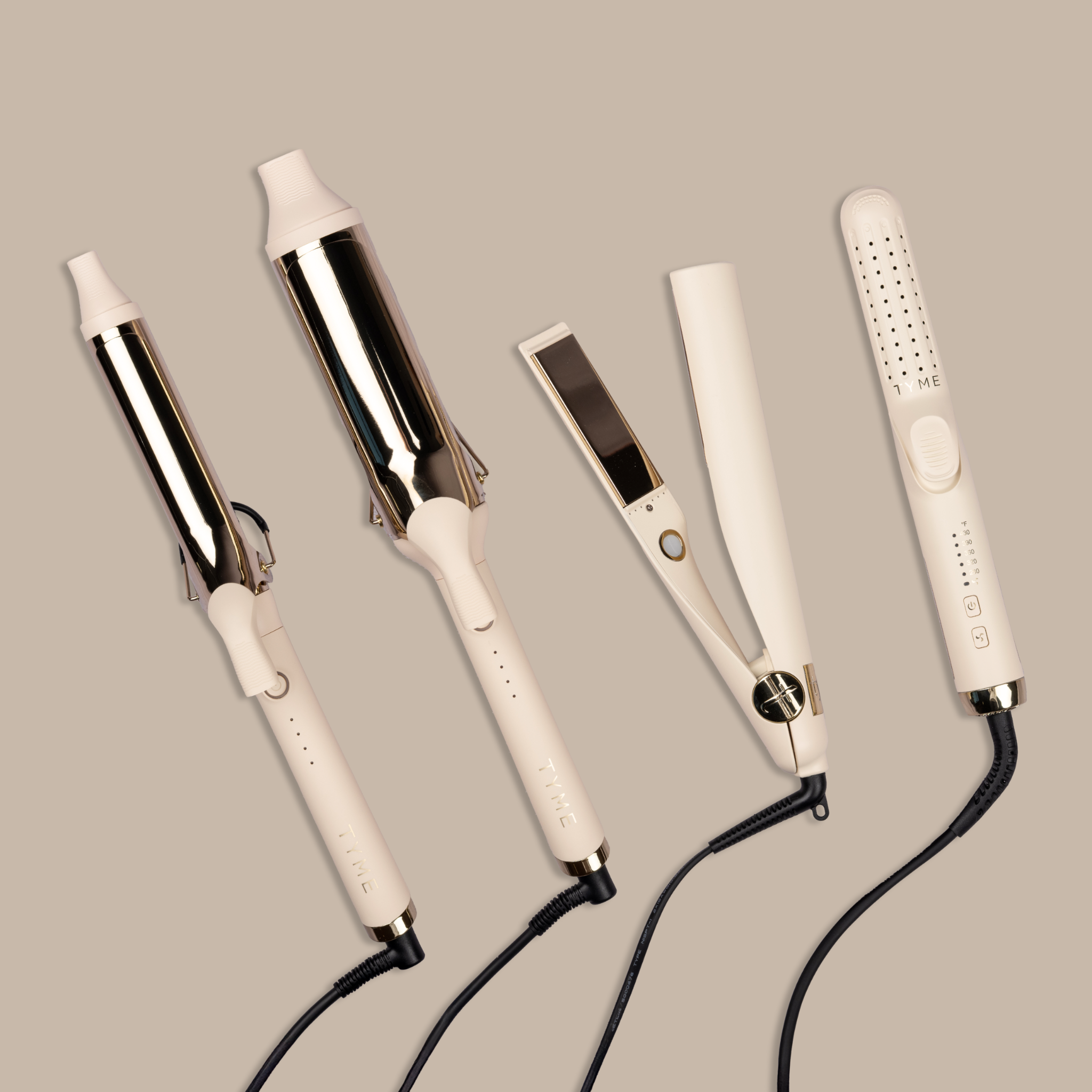
TYME Style’s lineup was built around that idea. The Original TYME Iron, the brand’s signature multi-functional tool, straightens, curls, and creates waves without needing a separate device for each finish, which simplifies how the whole routine looks before a single strand is touched. The 1.25-inch curling iron uses PTC ceramic heating to hold a stable barrel temperature through the full session. That consistency is what makes long-lasting curls possible in fewer passes, instead of needing the same section worked through two or three times to get something that actually holds. The difference comes from how the tool is made, not how carefully it is held.
The 2-inch curling iron handles loose waves and volume with the same approach: steady heat, reliable results, and styles that do not need to be rebuilt every couple of days. The TYME Air Iron pairs controlled airflow with heat to produce smooth, lasting styles with less direct heat than a traditional iron does. For hair dealing with sensitivity, previous damage, or recovery after a chemical treatment, less heat per session makes a real difference in how the hair looks and feels over time. The whole lineup works the same way: fewer passes, steady heat, results that last, and hair that stays in better shape because the tool is actually working with it.
A Routine Worth Keeping
Beauty buying habits have shifted in a clear direction: 85% of consumers who simplified their beauty routines planned to keep those changes going, actively choosing fewer, higher-quality products over large collections of things that work inconsistently (Source: The Harris Poll for Whole Foods Market, 2021). In the hot tool space, that means real demand for professional curling irons and multi-functional styling tools that hold up through daily use without falling short when it matters. It puts pressure on brands to actually perform rather than just keep releasing new things.
TYME Style has been building from this position since the beginning. “Don’t be trendy, be TYMELESS” sounds like a fun tagline until you look at how the collection is actually put together: with clear intention, with restraint, and with a standard that does not shift every season to follow whatever is trending. In a category where a lot of noise gets made over very little real performance, that kind of track record speaks for itself.
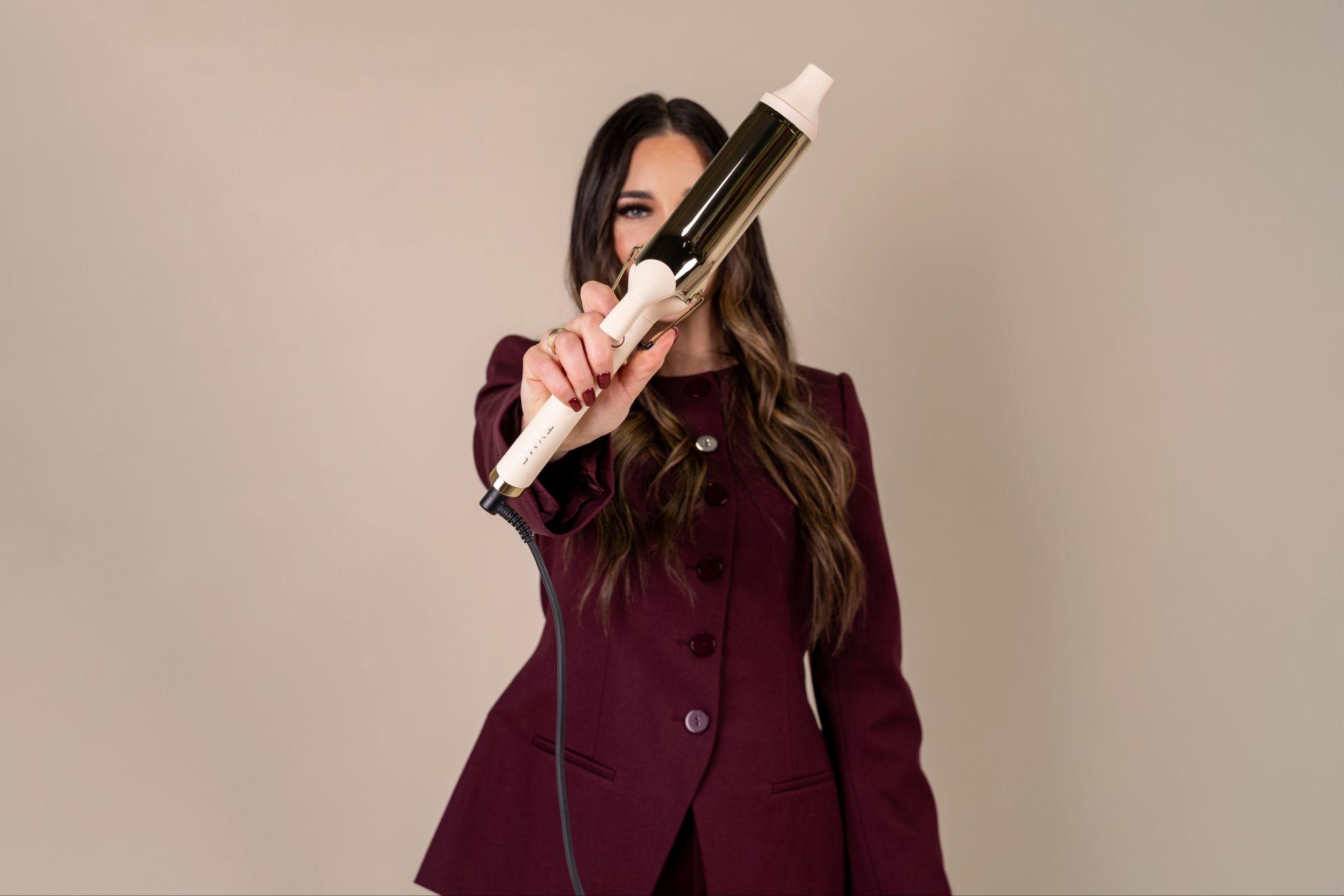
There is also a side to TYME Style that goes well beyond tool performance. The brand was founded on Christian values and a genuine belief that the time women spend getting ready in the morning can be more than just something to rush through. TYME’s mission frames those daily moments as grounding and confidence-building, and the products are made to support that experience rather than add frustration to it. That intention runs through the brand from top to bottom, and it is a big part of why the loyalty TYME has built does not look like what a well-timed campaign produces.
Why Gentler Heat Makes a Difference
What the research consistently points to is simple: steady heat, fewer passes, and tools made to actually deliver make a real, visible difference in how hair holds up over time. TYME Style’s lineup, from the Original TYME Iron to the 1.25-inch and 2-inch curling irons and the TYME Air Iron, was put together by someone who spent years behind the chair watching the gap between salon results and what most women have at home, and then built a brand with the goal of closing it.
The brand’s full collection reflects that same thinking, with tools designed to perform consistently rather than chase seasonal trends.