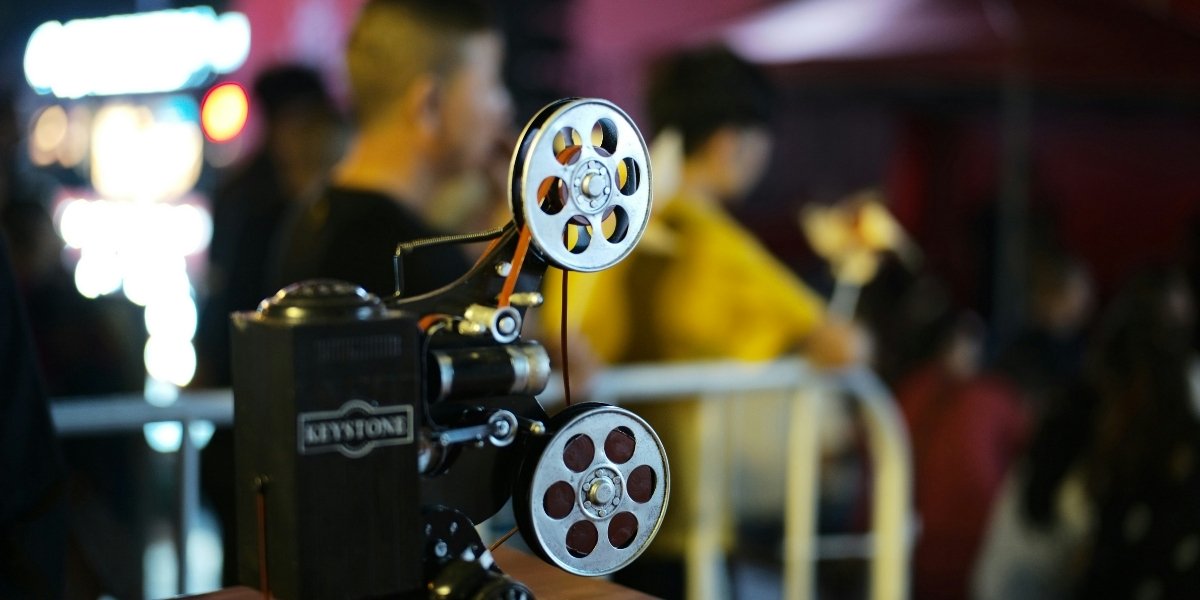





The Academy Museum in Los Angeles is presenting a 16-film VistaVision series with a recently refurbished projector, featuring films including The Searchers and To Catch a Thief. The format is also being used by contemporary filmmakers including Paul Thomas Anderson, Greta Gerwig, Brady Corbet and Emerald Fennell.
Key Takeaways
- The Academy Museum is presenting a 16-film VistaVision series in Los Angeles.
- The museum is using a recently refurbished VistaVision projector for the screenings.
- The lineup includes The Ten Commandments, The Searchers, White Christmas, To Catch a Thief and One Battle After Another.
- VistaVision runs film horizontally through cameras and projectors to create a larger image.
- Contemporary filmmakers including Paul Thomas Anderson, Greta Gerwig, Brady Corbet and Emerald Fennell have used the format.
Academy Museum Presents a 16-Film VistaVision Series
The Academy Museum in Los Angeles has begun presenting a 16-film series devoted to VistaVision, using a recently refurbished projector to screen films made in the large-format process. The lineup includes classic titles such as The Ten Commandments, The Searchers, White Christmas and To Catch a Thief, along with One Battle After Another.
The series gives audiences an opportunity to see VistaVision films using projection equipment designed for the format. The Academy Museum’s presentation focuses on both the films associated with VistaVision and the physical process used to capture and project their images.
The projector is operated by the museum’s projection staff, including lead senior projectionist Bradley Morris. The restored equipment allows the museum to present VistaVision material through the format’s original horizontal film path.
The 16-title schedule also connects different periods of filmmaking. The lineup includes films from VistaVision’s original period of use as well as a contemporary title, placing older large-format productions alongside a current example of filmmakers using the process.
The Los Angeles presentation therefore centers on two elements of VistaVision: its place in Hollywood film history and its use in contemporary production. The city’s theatrical exhibition landscape also includes venues built around specialized film presentation, including the restored Hollywood cinema landmark planned for reopening in 2028.
VistaVision Uses Horizontal 35mm Film for Larger Images
VistaVision differs from conventional 35mm film projection through the direction in which the film travels through the equipment. Instead of moving vertically through the camera and projector, the film runs horizontally.
The horizontal arrangement allows a larger area of the 35mm film frame to be used. The process produces a larger image with greater detail and depth than a standard vertical 35mm frame.
The same basic principle applies during production and exhibition. A VistaVision camera records the image with the film running sideways, while a compatible projector handles the film horizontally during screening.
The format therefore requires equipment specifically designed for that process. The specialized cameras and projectors eventually limited its wider use because productions and theaters needed equipment capable of handling VistaVision film.
The Academy Museum’s refurbished projector addresses the exhibition side of that requirement. Its use for the Los Angeles series allows the museum to present VistaVision material through a projection system built for the format.
The physical design of VistaVision is also part of the reason the format can produce a larger image. By using more of the film area for each frame, the process provides additional image information for projection.
Los Angeles has also continued to support film events built around independent and specialized cinema. The Golden State Film Festival screenings in Hollywood, for example, brought independent films from filmmakers in the United States and other countries to local theaters earlier in 2026.
Academy Museum Restores VistaVision Projection in Los Angeles
The Academy Museum’s VistaVision series places the projection process alongside the films themselves. Rather than presenting the titles only as examples of Hollywood’s large-format history, the museum has restored equipment capable of showing the format through its intended projection method.
The recently refurbished projector is central to the screening series. Its operation requires a projection system that can accommodate film moving horizontally rather than the standard vertical movement used for conventional 35mm projection.
The Los Angeles museum’s presentation also provides a physical setting for audiences to see the difference between film formats through theatrical projection. The projector itself is part of the exhibition experience because VistaVision depends on specialized equipment at both ends of the filmmaking process.
The format’s technical design was established in the 1950s, when filmmakers and studios were developing larger widescreen images for theatrical audiences. VistaVision used 35mm film in a horizontal configuration to create a larger negative area for each frame.
The Academy Museum series draws directly on that technical history by using a VistaVision projector for its screenings. The equipment allows the format to be presented as a projection process rather than simply discussed as a historical filmmaking technique.
For audiences in Los Angeles, the series combines film screenings with access to a projection method that requires equipment different from standard 35mm projection.
The city’s film calendar also includes events centered on emerging production methods and independent storytelling. The New Media Film Festival’s LA screenings brought filmmakers and digital creators to Culver City for screenings and creator discussions in June.
Classic Films Anchor the VistaVision Screening Lineup
Several well-known Hollywood films are included in the Academy Museum’s 16-film VistaVision lineup. The titles identified for the series include The Ten Commandments, The Searchers, White Christmas, To Catch a Thief and One Battle After Another.
White Christmas is directly connected to the beginning of VistaVision’s Hollywood use. The format’s period of prominence began in 1954 with the Bing Crosby holiday musical.
VistaVision remained in use through the early 1960s. The period identified with its heyday lasted from 1954 to 1961, ending with films including Marlon Brando’s One-Eyed Jacks.
The Academy Museum’s selection includes films from that period, allowing the series to present several examples of the format’s original theatrical use. The Searchers, White Christmas and To Catch a Thief are among the titles included in the lineup.
The Ten Commandments is also part of the 16-film series, adding another large-scale production to the museum’s VistaVision presentation.
The lineup is not limited to historical titles. One Battle After Another is also included, connecting the museum’s presentation of the format with contemporary filmmaking.
VistaVision also remained useful after its main theatrical period ended. The format was used for special-effects work on the first Star Wars film and other productions, allowing its technical properties to remain useful even after the format became less practical for general production and exhibition.
Contemporary Filmmakers Return to VistaVision Production
VistaVision is also being used by contemporary filmmakers, including Paul Thomas Anderson, Greta Gerwig, Brady Corbet and Emerald Fennell. Their use of the format provides a current production connection for the Academy Museum’s Los Angeles series.
The renewed production use is separate from the museum’s projection work but involves the same basic format: film runs horizontally through a VistaVision camera to create a larger image area.
Paul Thomas Anderson is among the filmmakers identified with the format’s current use. Greta Gerwig, Brady Corbet and Emerald Fennell have also used VistaVision as a shooting format.
That contemporary use gives the Academy Museum series a direct connection to present-day filmmaking. The museum is screening films from the format’s earlier period while current directors are using the same basic large-format process in new productions.
The technical requirements remain distinct from standard 35mm filmmaking because VistaVision depends on cameras capable of handling the horizontal film configuration. The projection side likewise requires equipment designed for horizontal film movement.
The Academy Museum’s refurbished projector addresses that exhibition requirement in Los Angeles. Its inclusion in the 16-film series allows audiences to see films through a format that has both a documented Hollywood history and current use among filmmakers.
The combination of classic titles, specialized projection equipment and contemporary directors gives the series a clear connection between the original VistaVision era and its use in current filmmaking.
Frequently Asked Questions
What is VistaVision?
VistaVision is a 35mm filmmaking and projection process in which film runs horizontally through the camera and projector. The horizontal configuration creates a larger image area with greater detail and depth.
Where can audiences see VistaVision films in Los Angeles?
The Academy Museum in Los Angeles is presenting a 16-film VistaVision series using a recently refurbished VistaVision projector.
Which films are included in the Academy Museum VistaVision series?
The identified lineup includes The Ten Commandments, The Searchers, White Christmas, To Catch a Thief and One Battle After Another, among 16 films in total.
Which filmmakers are currently using VistaVision?
Contemporary filmmakers identified with VistaVision use include Paul Thomas Anderson, Greta Gerwig, Brady Corbet and Emerald Fennell.
When was VistaVision originally developed?
VistaVision entered Hollywood use in 1954, beginning with White Christmas. Its main period of use extended through 1961.