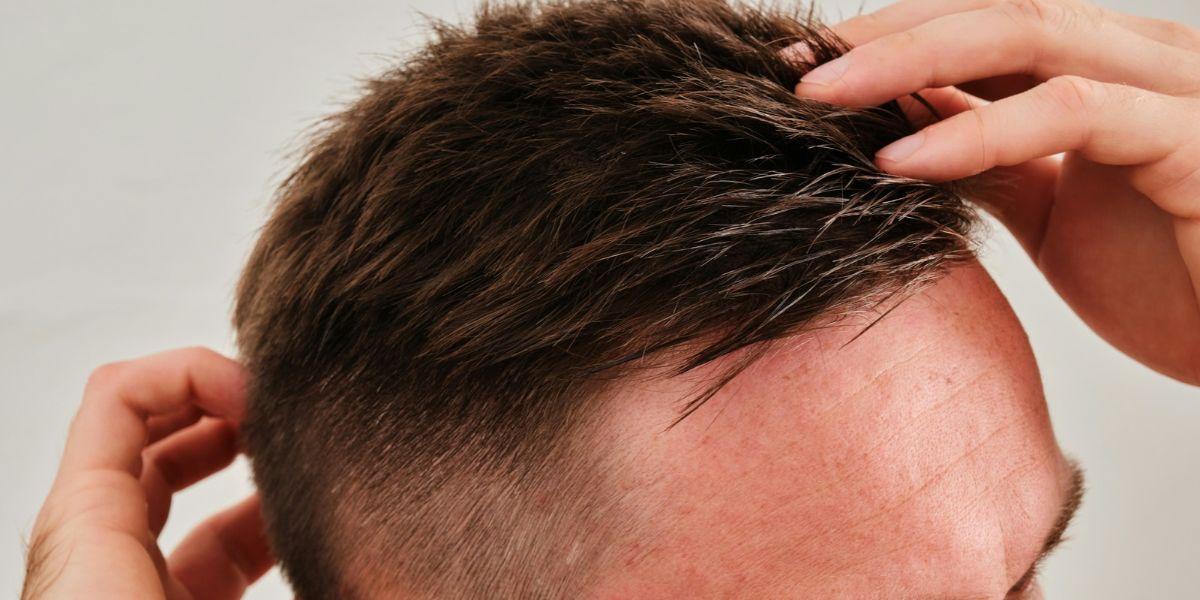





Hair restoration surgery moves healthy hair follicles from one part of the scalp to areas with thinning hair. If you’re wondering what hair restoration surgery is, it’s a procedure that uses your own hair follicles to improve hair density in areas affected by hair loss.
Surgeons usually take follicles from the back or sides of the head and place them in areas affected by hair loss. The treatment can provide lasting results, but outcomes depend on your hair type, the surgical method, and whether you experience further thinning.
Key Takeaways
- Hair restoration surgery moves healthy hair follicles from the back or sides of the scalp to areas affected by thinning or baldness.
- FUE and FUT are the two main techniques. FUE extracts individual follicular units, while FUT removes a strip of scalp to collect grafts.
- Good candidates typically have stable hair loss, enough healthy donor follicles, and realistic expectations about coverage and results.
- Recovery usually takes several days to weeks, with new hair growth starting around three to four months. Full results typically develop within 12 months.
- Hair restoration can provide long-lasting results, but it does not prevent future hair loss. Costs, graft survival, and outcomes vary based on individual needs and surgical technique.
How Does Hair Restoration Surgery Work?
To understand hair transplantation, you need to know how surgeons move hair follicles. The procedure transfers healthy hair follicles from a donor area to areas of the scalp with less coverage. These follicles can continue producing hair after they heal in their new location.
The hair replacement process starts with a review of your scalp and hair loss patterns. Your surgeon checks donor hair density, hair texture, and how much coverage you need. Since surgery moves existing follicles rather than creating new ones, donor supply affects the final result and the ability to achieve natural-looking results.
How Does Hairline Surgery Work?
You may wonder how hairline surgery works if your hairline has started moving backward. Surgeons design a new hairline based on your facial features, age, and current hair density. They also consider future hair loss to keep the results looking balanced over time.
Surgeons place single-hair grafts along the front edge to create a natural appearance. These grafts help soften the transition between the forehead and hairline. Larger groups may be placed behind this edge to add fullness.
Types of Hair Restoration Surgery
Modern hair implantation surgery mainly uses two methods: Follicular Unit Extraction (FUE) and Follicular Unit Transplantation (FUT).
Both move follicles into thinning areas, but they use different extraction methods. Your surgeon will recommend an approach based on your hair, scalp, and treatment goals.
Follicular Unit Extraction (FUE)
The follicular unit extraction (FUE) method removes individual follicular units one at a time. Surgeons use a tiny circular tool to collect each graft. This method leaves small, scattered scars instead of one long scar.
FUE offers several features:
- Removes follicles individually without taking a strip of scalp.
- Leaves small scars that may be less noticeable with shorter hair.
- Allows surgeons to select grafts from different parts of the donor region.
Recovery time depends on how many grafts are removed and how your scalp heals. Removing too many follicles can reduce donor density and affect future treatment options.
Follicular Unit Transplantation (FUT)
The follicular unit transplantation (FUT) method involves removing a narrow strip of scalp from the back of the head. A trained team separates this strip into smaller grafts under a microscope. Surgeons then place these grafts into areas where more hair is needed.
This method, also called a follicular unit transplant, can provide many grafts during one session. It leaves a linear scar at the donor site, which may show with very short hairstyles. Your surgeon can explain whether FUT or FUE better suits your needs.
Who Is a Good Candidate for Hair Restoration?
Hair transplant surgery often works best for people with stable pattern hair loss and enough healthy donor follicles. Good candidates also have realistic expectations about the coverage they can achieve. A medical evaluation helps confirm whether surgery is a suitable option.
Surgeons usually review:
- Your age, health history, and scalp condition.
- Hair density, texture, and available donor follicles.
- The type and stage of your hair loss.
- Your goals and the chance of needing future procedures.
Some types of hair loss require medical treatment before you can consider surgery. Active scalp inflammation, certain autoimmune diseases, and temporary shedding may affect your eligibility.
What Happens During a Hair Transplant Procedure?
A hair transplant procedure usually takes several hours and is performed under local anesthesia. The surgeon collects follicles and prepares the recipient site, where new grafts will be placed. The surgeon positions each graft to follow the direction of nearby hair.
The main steps include:
- Planning the hairline and reviewing the treatment area.
- Numbing the scalp and extracting healthy follicles.
- Preparing grafts and making openings in the recipient areas.
- Placing the grafts and explaining postoperative care.
At Kopelman Hair, treatment planning focuses on your hair characteristics, goals, and long-term needs. The number of grafts depends on the area size, desired fullness, and available follicles. A personal consultation helps determine the most suitable treatment plan.
Hair Restoration Recovery and Growth Timeline
After surgery, you may notice redness, mild swelling, tenderness, and small scabs. These symptoms usually improve as your scalp heals during the first days and weeks. Many patients return to light daily activities within a few days, depending on their recovery.
The transplanted hair shafts often fall out during the first few weeks. This shedding is normal and does not always mean the follicles have failed. New hair growth often begins around three to four months after surgery.
Visible improvement usually develops between six and nine months. Most patients see more complete results around 12 months, although some areas may take longer. Your surgeon will review your progress and explain what changes to expect.
Hair Restoration Surgery Cost
Hair restoration prices depend on the surgical method, surgeon, location, and treatment size. In the United States, surgery may cost several thousand dollars, while larger procedures can cost much more. The total price often reflects the work involved, not just the graft count.
Before choosing a clinic, ask what the quoted price includes. Consultation fees, anesthesia, follow-up appointments, and aftercare may affect your total costs. Most health insurance plans do not cover cosmetic hair restoration.
Risks, Success Rates, and Long-Term Results
Hair restoration is generally considered safe when performed by a qualified surgeon, but complications can occur. Possible problems include infection, bleeding, scarring, temporary numbness, and poor graft survival. Some patients may also experience temporary shedding of nearby hair.
How well hair transplants work depends on several factors, including surgical technique and follicle health. Careful graft handling, scalp condition, and proper aftercare can affect the final outcome. No single success rate applies to every patient.
Transplanted follicles may keep producing hair for many years. Still, untreated hair can continue thinning, which may change your appearance over time. Some patients need further treatment to maintain a balanced look.
Is Hair Restoration Surgery Worth It?
Hair restoration may help restore hair coverage if you have permanent thinning and enough donor follicles. It can improve your appearance, but it will not stop future genetic hair loss. Treatments such as minoxidil or finasteride may help protect existing hair when medically appropriate.
A qualified surgeon can explain your options, expected results, and possible limits. You should also discuss costs, recovery, and whether you may need future procedures. Understanding these factors helps you decide whether surgery matches your goals.