

By: Olga Amraie
U.S. creator ad spend is on track to reach $44 billion in 2026. Ahead of Mega Media Forum Los Angeles on November 28, co-founder Denys Miniailo
explains what entrepreneurs, brand leaders and marketers need to understand about the new economy of influence.
A few years ago, many business owners saw influencers as people paid to post pretty photos. Today, the numbers tell a different story.
According to the Interactive Advertising Bureau (IAB), U.S. creator advertising spending was projected to reach about $37 billion in 2025, up 26% year over year and growing nearly four times faster than the media industry overall. IAB expects that figure to reach $44 billion in 2026. Nearly half of creator ad buyers now call creators a “must buy,” ranking them just behind paid search and social media.
Creator marketing is no longer an experiment run by a few bold marketing teams. It has become a core advertising channel. The question for most businesses is no longer whether to work with creators, but how to do it without wasting money.
That question is at the center of Mega Media Forum Los Angeles, which takes place on November 28, 2026, at W Hollywood. Denys Miniailo, co-founder of the forum, host, interviewer, and brand and influence strategist, has built his work around one idea: turning media visibility into lasting business opportunities.
“Brands used to buy impressions. Now they are buying trust,” Miniailo says. “The money follows the people audiences actually listen to.”
Why Are Advertising Budgets Shifting to Creators?
Traditional advertising has a media plan, a budget and a placement. A successful creator has all of that plus something harder to buy: a relationship with an audience.
People follow a creator for their taste, their expertise, their personal story or their ability to explain complicated things simply. Over time, that builds recognition, and recognition builds trust. When that creator talks about a product, part of the audience hears it differently than they would hear a banner ad.
The shift is not only about celebrities with millions of followers. A local restaurant can reach new customers through a creator who covers life in Los Angeles. A clinic can build credibility through a specialist who explains medical topics clearly. A clothing brand can find buyers through a creator whose style matches its aesthetic.
“Advertising is becoming a competition for trust, not just for views,” Miniailo
says. “A business that understands this early has a real advantage.”
Not every recommendation works, and too many sponsored posts erode trust. But well-structured partnerships can reach people who ignore traditional ads.
Why Follower Count Is the Wrong Place to Start
Marketers are increasingly looking past follower numbers to the quality of content, the geography of the audience, the creator’s reputation and how well their topic fits the product.
For local businesses, this matters even more. A Los Angeles entrepreneur may get more value from the attention of a few thousand potential customers in California than from a million views from people who will never buy.
“A million views from the wrong audience is a vanity metric,” Miniailo says. “Five thousand of the right people in your city can be a real business.”
Three Mistakes Businesses Make With Influencer Marketing
Denys Miniailo sees the same errors repeat across industries:
- Choosing creators only by follower count. Reach without relevance rarely converts.
- Judging results only by views. Views measure attention, not business impact.
- Expecting one post to change sales overnight. Trust builds over a series of touchpoints, not a single placement.
“Influencer marketing is not a one-time purchase,” he says. “If you treat it like a billboard, you will be disappointed. If you treat it like a partnership, it can grow with your business.”
How to Build an Influencer Marketing Strategy That Works
An effective strategy starts with a clear goal. Does the business need more awareness? People at an event? Leads? A product demonstration? High-quality video content for its own ads?
The answer determines the right creator and the right format:
- A new restaurant may benefit from a series of reviews by local food creators.
- A technology product may need a detailed demonstration by a niche expert.
- A founder’s personal brand may grow through interviews, podcast appearances and joint content with industry professionals.
Then comes measurement. Link clicks, inbound requests, cost per lead, promo code redemptions and changes in brand awareness give a far more useful picture than a single impressive view count.
“Decide what success looks like before you sign the deal,” Miniailo advises. “Agree on the goal, the format and the numbers you will track. That one conversation saves most brands from their biggest mistakes.”
Why Meeting Creators in Person Still Matters
Most collaboration offers arrive by email or Instagram DM, which rarely shows whether a company and a creator are truly a fit. In person, an entrepreneur can explain the idea, a creator can suggest an unexpected format, and a marketer can align on goals.
“The best partnerships I have seen started with a conversation, not a pitch deck,” Miniailo says. “When people meet in the same room, they find ideas neither side would have written in a DM.”
That is the concept behind Mega Media Forum. The Los Angeles program, running from 10 a.m. to 10 p.m., covers social media growth, artificial intelligence, personal branding, content monetization, PR, digital products and brand collaborations. Its main value, organizers say, is the room itself: a space where entrepreneurs, specialists and content creators can meet and discuss joint projects.
From Miami to Hollywood
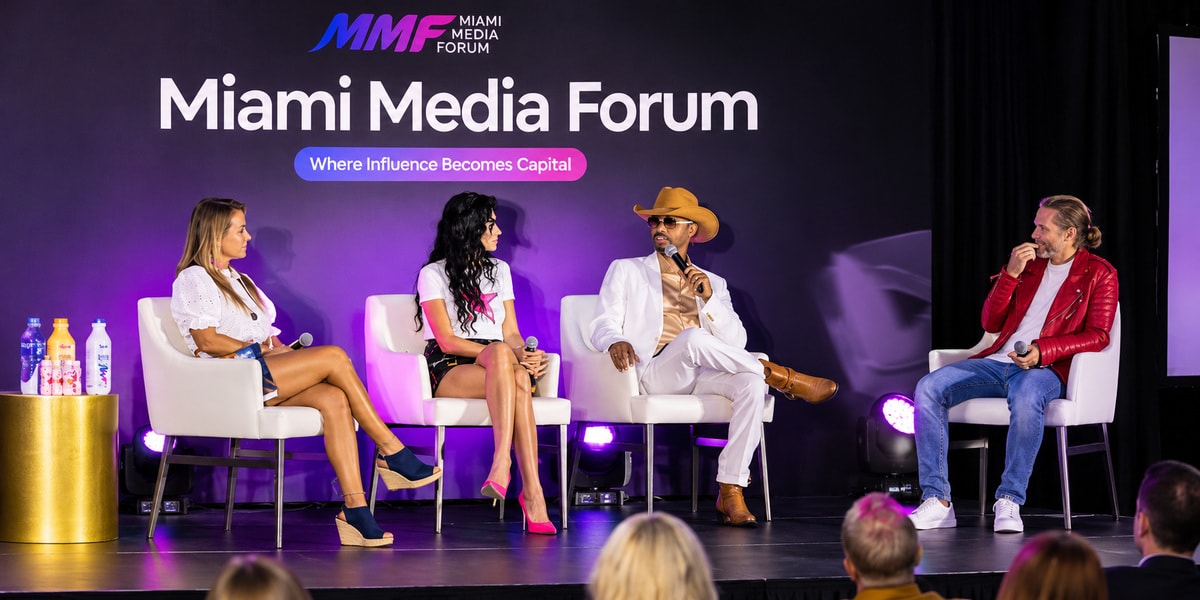
Before Los Angeles, the team developed the forum in Miami. According to the organizers, the previous edition drew more than 350 guests, 12 speakers and over 100 nominees for the Mega Media Awards, with a program that included artists, digital media figures, entrepreneurs and producers.
Hollywood is a symbolic next step: the city that built the celebrity industry is now where fame increasingly grows outside the studio system.
The Los Angeles program also includes the Mega Media Awards 2026, with two tracks: People’s Choice, decided by audience vote, and Jury’s Choice, recognizing professionals in twenty categories, including business, finance, travel, fashion, beauty, fitness, psychology, AI, YouTube and TikTok.
What This Means for Brands in 2026
The creator economy will keep growing, but bigger budgets do not automatically turn every creator into a business partner. Effective approaches can combine quality content, audience trust, commercial strategy and professional relationships.
For brands, the challenge is similar: learning to work with creators not as ad space, but as partners.
“The next stage of influencer marketing is professional,” Miniailo says. “Brands that treat creators as partners, and creators who think like business owners, will build the strongest results.”
Mega Media Forum Los Angeles 2026
Date: November 28, 2026
Time: 10 a.m. to 10 p.m.
Venue: W Hollywood, 6250 Hollywood Boulevard, Los Angeles
Website: megamediaforum.com
Photographer: Ana Kirillova, Instagram