




The global aviation sector is once again seeing a sharp rise in Jet A-1 fuel demand, driven by the return of international travel, resilient cargo operations, and mounting pressure on supply chains. According to insights from Jason Venturelli, this surge reflects more than recovery. It signals a shift in how fuel is consumed, sourced, and distributed across global markets.
Airline Recovery Is Fueling Growth
Airlines have rapidly restored operations as international borders reopened and travel demand rebounded. Long-haul flights are a major contributor, as they consume significantly more fuel than domestic routes. Carriers are reintroducing wide-body aircraft and expanding global networks to capture growing passenger demand.
Tourism and visiting-family travel have surged, while business travel continues to stabilize. Budget airlines are also scaling aggressively, adding routes and increasing flight frequencies. These combined factors are pushing Jet A-1 consumption higher across major aviation hubs.
In several regions, demand has already reached or exceeded pre-pandemic levels, particularly where international connectivity is strongest.
Cargo Demand Remains Strong
Air cargo continues to anchor fuel demand. The rise of e-commerce and time-sensitive logistics has permanently reshaped global shipping patterns. Businesses increasingly rely on air freight for speed and reliability, sustaining demand even outside peak travel periods.
Cargo aircraft are fuel-intensive, operating long routes under tight schedules. This creates a consistent baseline for Jet A-1 consumption. Even as ocean freight stabilizes, many industries maintain hybrid logistics strategies that prioritize air transport for critical shipments.
Jason Venturelli emphasizes that cargo demand has effectively elevated the floor for aviation fuel usage, making overall demand less volatile than in the past.
Supply Chains Are Under Pressure
While demand rises, supply chains face ongoing constraints. Refining capacity has not fully recovered in all regions, and some facilities that scaled back during the pandemic have not returned to previous output levels. Others shifted production toward different fuel products, tightening Jet A-1 availability.
Distribution networks are also under strain. Fuel must move through pipelines, shipping systems, and storage facilities before reaching airports. Any disruption in this chain can lead to delays or price fluctuations.
In fast-growing regions, infrastructure limitations are becoming more visible. Airports with limited storage capacity may struggle to meet rising demand, particularly during peak travel seasons.
Fuel Sourcing Is Becoming More Complex
Airlines are working through a more fragmented sourcing environment. Traditional long-term contracts are being supplemented with flexible procurement strategies to manage price volatility and supply risk.
Geopolitical factors play a major role. Trade restrictions, regional tensions, and shifts in crude oil flows all impact refining output and fuel availability. As a result, airlines are increasingly sourcing fuel from multiple regions.
Sustainable aviation fuel is also entering the mix. Although still limited in supply, it is gaining importance as airlines pursue environmental targets. However, its higher cost and limited production add complexity to fuel planning and procurement.
Airport Logistics Are Adapting
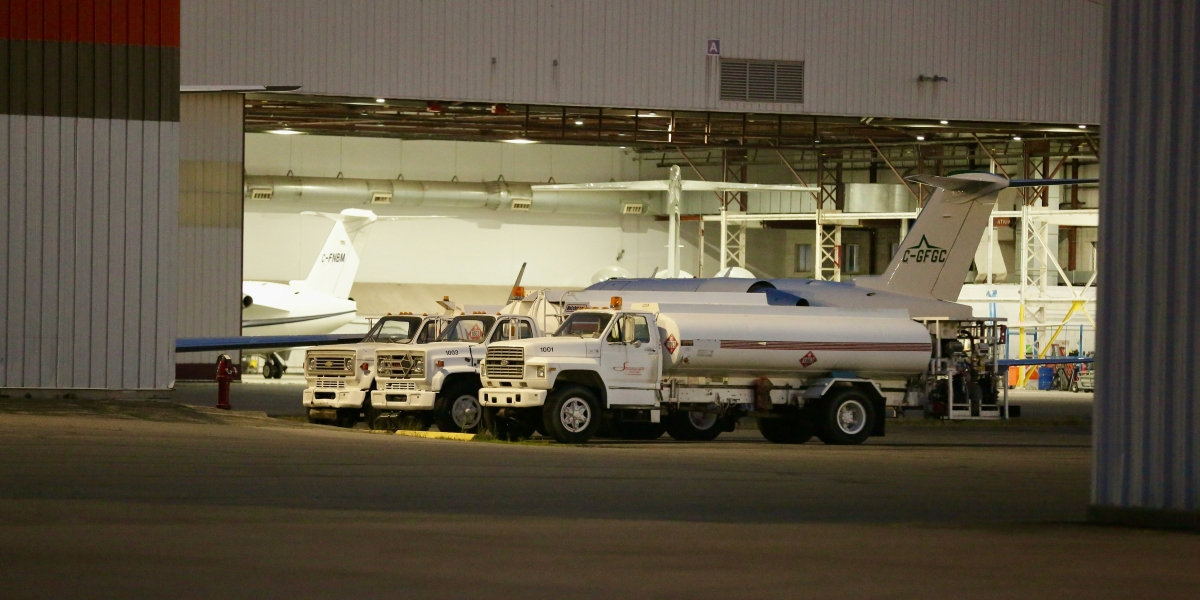
Airports are under growing pressure to handle increased fuel volumes efficiently. Refueling operations must remain fast and reliable to support tight flight schedules. Delays in fueling can disrupt entire airline networks.
To keep up, many airports are investing in expanded storage capacity and upgraded refueling systems. These improvements help ensure a consistent supply and reduce operational bottlenecks.
Efficient airport logistics are becoming a critical factor in supporting continued growth in aviation fuel demand.
The Middle East and Global Refinery Shifts
The Middle East remains a central player in the Jet A-1 market. Its large-scale refining capacity and strategic location allow it to supply fuel across Europe, Asia, and Africa efficiently.
At the same time, global refinery dynamics are shifting. Some regions face constraints due to environmental regulations and aging infrastructure, while others continue expanding capacity. These differences create imbalances in supply and influence global pricing.
Jason Venturelli notes that the relationship between regional production and global demand is becoming more interconnected, requiring greater coordination across the supply chain.
A Market in Transition
The resurgence of Jet A-1 demand highlights a market undergoing significant change. Rising travel activity, sustained cargo demand, and evolving supply challenges are reshaping how the aviation fuel industry operates.
Airlines are adapting through improved efficiency, diversified sourcing, and long-term planning. Meanwhile, suppliers and infrastructure providers are investing to meet future demand.
Organizations like JSV Global Services, led by Jason Venturelli, support global fuel and commodity logistics, helping businesses operate in complex, shifting markets.
As aviation continues to expand, demand for Jet A-1 fuel will remain a key indicator of global economic activity, reflecting the movement of people, goods, and industries worldwide.