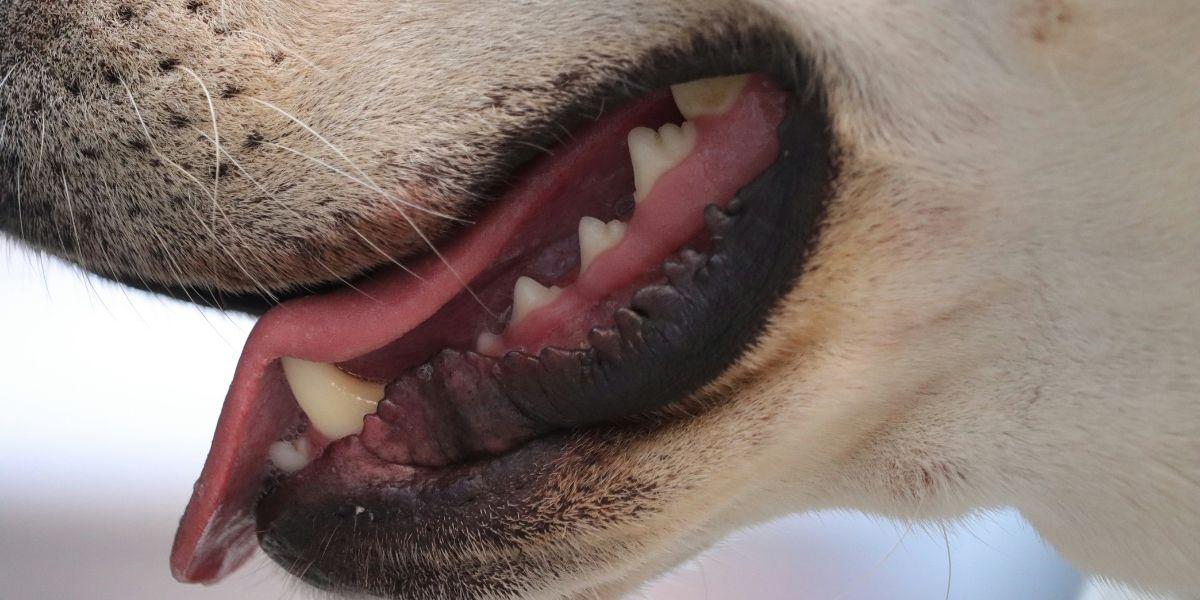





A dog bite can cause more than a painful wound. Deep punctures, torn skin, nerve damage, and infections are common after an attack, and some victims need surgery or long-term treatment to recover. A serious bite can result in a lasting fear of dogs or public spaces, along with medical bills for immediate treatment, recovery, and shots.
Many people do not realize that a dog’s owner can be held financially responsible for injuries caused by their animal. The laws that may affect these cases can vary by state, however, and an owner who could be liable in one jurisdiction might not be in another. Speaking with a personal injury attorney can help a dog bite victim understand which laws apply, what evidence may support a claim, and what compensation might be available.
Understanding the “One Bite Rule” and How it Might Affect Your Claim
Some states follow what is known as the one bite rule. Under this approach, an owner may only be held liable if they knew, or should have known, that their dog had dangerous tendencies. This often means the dog had bitten someone before, or the owner had another reason to expect aggressive behavior.
Other states do not use this rule at all. Instead, they may hold owners responsible regardless of whether the dog had bitten anyone in the past. Because the laws can differ so much from state to state, it is worth looking closely at the rules in the location where the bite occurred. A victim in a one-bite state might need to show that a dog had a history of aggression, while a victim elsewhere may not need to prove that at all.
What Does “Strict Liability” Mean in a Dog Bite Claim?
Many states use a strict liability standard for dog bites. Under this standard, an owner can be held responsible for a bite even if the dog had never shown aggression before and even if the owner took reasonable precautions. The focus is not on how careful the owner was. Instead, the focus is on the fact that the dog caused harm.
Strict liability laws exist because dogs, even friendly ones, can behave unpredictably. These laws place the responsibility on the owner rather than the victim, who often had no way to know the dog might bite. Strict liability statutes typically include exceptions, such as in cases involving trespassers or people who provoked dogs, which is why the full context of an incident should be reviewed in detail.
How Allegations of Provocation Could Impact Your Dog Bite Claim
Provocation is one of the most common defenses raised in dog bite cases. An owner may argue that the victim did something to trigger the attack, such as hitting, teasing, or startling the dog. If a court agrees that provocation occurred, it can reduce or eliminate the victim’s ability to recover damages.
What counts as provocation may differ depending on the state and the specific facts involved in a case. Accidentally stepping on a dog’s tail is likely to be treated differently than intentionally taunting an animal. Children are sometimes given extra protection under the law, since they may not understand how their actions could cause a dog to attack them. Since provocation claims can significantly weaken a case, a victim should be prepared to explain exactly what happened before a dog bite occurred.
Even if the victim did not intentionally antagonize the dog, the owner’s insurance company could argue that the victim was partially at fault. Depending on the state, shared fault could mean a reduced payout or even an outright denial of a claim.
What Happens if a Trespasser Gets Bit on Someone Else’s Property?
Trespassing can complicate a dog bite claim. In many states, a property owner owes a lower duty of care to someone who enters their property without permission. If a trespasser is bitten, some laws limit or bar their ability to recover compensation.
Some dog owners may attempt to assert that the victim was trespassing as a defense, even if they were lawfully allowed on the property. A dog bite injury lawyer can help push back against false allegations and defend the validity of a dog bite claim.
What Kinds of Damages Can a Dog Owner Be Made to Pay For in 2026?
When a dog bite claim succeeds, the owner or their insurance company may be required to cover a range of losses suffered by the victim. These damages are meant to address both the immediate and ongoing effects of the attack. Common categories of damages include:
- Medical expenses, including emergency treatment, surgery, medications, and follow-up care
- Scarring or disfigurement, particularly in cases involving injuries to the face or hands
- Lost wages for time missed from work during recovery
- Pain and suffering related to the physical and emotional impact of the attack
- Therapy costs for victims who develop anxiety or fear following an attack
- Property damage, such as torn clothing or damaged personal items
A successful claim can help a victim recover financially while holding the responsible party accountable. Anyone recovering from a dog bite should keep records of medical treatment, photos of injuries, and any communications with the dog owner or their insurer, since this documentation often plays an important role in supporting a claim.
Disclaimer: This article is provided for general informational purposes only and does not constitute legal advice. Dog-bite laws, liability standards, and available compensation vary by jurisdiction and depend on the facts of each case. Consult a qualified attorney for advice regarding your specific situation.