





By Ann Lesley Smith
The Arabian horse has an enduring legacy not only because of its beauty, strength, and speed but also because it offers more than all of that: companionship, intelligence, and a human-like empathy that sets it apart from all other horse breeds.
For thousands of years, Arabian horses have been the blueprint, carrying a rare emotional sensitivity that still feels relevant today. In a world beset by division, stress, inauthenticity, and noise, Arabian horses remind us that there is another way forward, one rooted in attentiveness, connection, and trust.
A Legacy Thousands of Years in the Making
The Arabian breed’s legacy began in the deserts of the Arabian Peninsula, where Bedouin tribes bred these horses to be more than just simple beasts of burden. The harsh conditions and the horses’ steadfast loyalty forged a strong bond between them and the tribes that cared for them.
Arabian horses also lived close to their people, often sharing tents and being treated as valued members of the tribe, just like family. That level of intimacy and training created a horse that has become known for an unusually human-like ability to empathize.
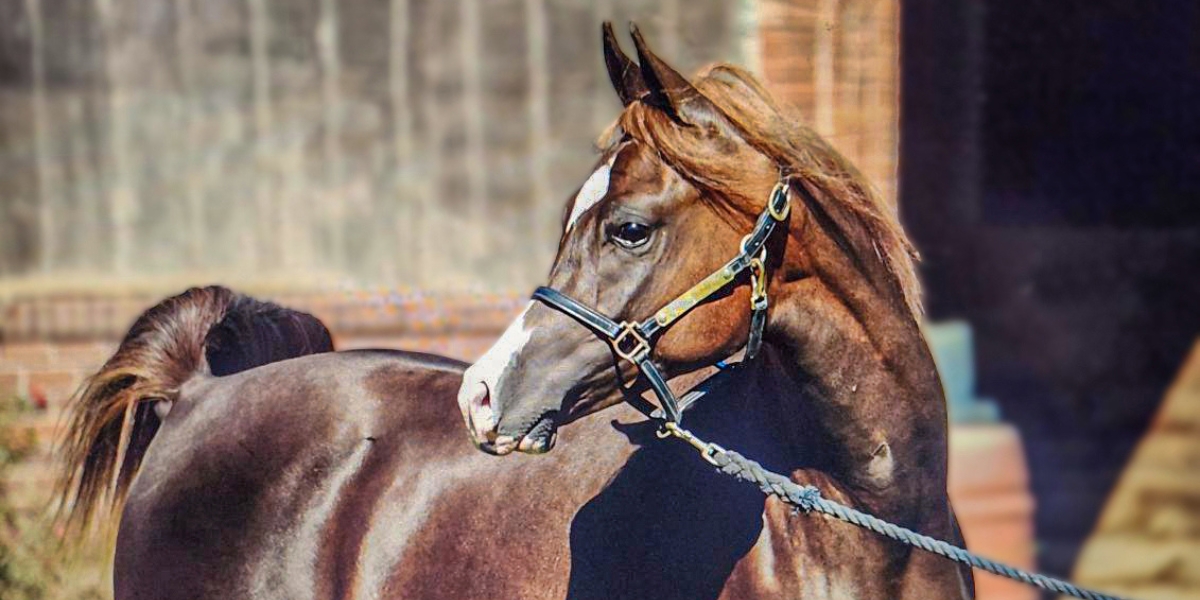
With a distinctive head, high tail carriage, and smooth, efficient movements, the Arabian horse already stood apart as an exceptional specimen in the equine industry. However, it is their intelligence that truly makes them remarkable. The breed is known for being deeply aware of its surroundings and especially intuitive, often taking cues from its owner’s moods and facial expressions and matching their mood if needed. This sensitivity gives them the ability to read human intention, making them feel more engaged and relational than other breeds.
The breed’s greatest contribution to history and humankind may be its role in symbolizing nobility, grace, and goodwill between nations for thousands of years. People have been perpetually drawn to Arabian horses not just because they are striking to look at, but because they hold an ancient wisdom that is singular to that breed alone.
Survival of the Smartest
The Arabian horse had intelligence and empathy almost “uploaded” into them by the Bedouin tribes for more than just connection and companionship. In a harsh desert environment where resources were scarce, Arabian horses could not only endure on little water but could also maintain their steadfast energy under pressure.
This facet of their nature has made the breed perfect for endurance riding and other disciplines that require stamina and mental toughness. It is a horse that is both elegant and efficient, leading the way then and inspiring confidence today.
Lessons for Contemporary Life
While it is easy to understand what the Bedouin tribes saw in the Arabian horse thousands of years ago, people may wonder if an empathetic and particularly intuitive horse has any place in our technologically advanced society today. Empathy is often seen as an abstract virtue in an increasingly divided world.
However, the Arabian horse shows that it can be tangible. The breed is known for recognizing subtle shifts in posture, tone, and energy, much like an empathetic human being would. It is a living, breathing reminder that true, consequential connection begins with plugged-in presence.
We are living in a time where people may give us some of their attention while their eyes are fixed on their phones. Arabian horses bring connection back to basics, responding to presence and giving human beings their full, undivided attention. This modern connection to the ancient ways of the Arabian horse is a reminder for human beings to slow down and communicate more authentically with one another, one that can serve as a model for interpersonal relationships, leadership, and even public discourse.
Our modern society often rewards speed, efficiency, and performance over the skills of listening. By allowing Arabian horses to serve as a counter to that narrative, human beings can learn to become more attentive to one another and foster a more peaceful coexistence.
An Abiding Legacy
Arabian horses have gone from being important members of Bedouin tribes to meaningful participants in modern therapeutic and educational settings. Their unique personalities and innate intelligence have allowed their positive impact on humanity to endure. For everyone from those in recovery to veterans to children, the Arabian horse has created a sense of being noticed and understood when it really counts.
From the ancient deserts of the Arabian Peninsula, the Arabian horse’s legacy of empathy and emotional connection remains relevant. No matter how advanced technology may become or how busy humans become, we all still long for authentic connection, belonging, and trust. The breed can model that for humans, offering a vision of authenticity, respect, and peaceful coexistence.
Arabian horses show us that relationships are the most important facet of life above all else. And they continue to show that an empathetic connection can be found in the most unlikely of places.
Ann Lesley Smith is a philanthropist, ranch owner, and lifelong equestrian dedicated to using her California ranch and vineyard as a sanctuary for renewal, reflection, and equine-assisted therapy. She is the proud owner of Amir Fadjur Salaam, a rare Arabian stallion and direct descendant of The Fabulous Fadjur, one of the most legendary and beloved Arabian horses in American history. Born at the same 177-year-old ranch that once raised Fadjur himself, Amir carries forward a legacy that shaped the nation’s equestrian heritage. Through her work with rescued and rehabilitated individuals, Ann blends her passion for horses with a mission of service, creating a space where faith, philanthropy, and the enduring spirit of the Arabian lineage come together to support personal growth and meaningful connection.

