


The last day of a California lemon law case rarely looks like a legal event. There is no judge and no courtroom. There is a dealership service lane, a folder of paperwork, a set of keys on a counter, and a car the owner has spent months trying to get fixed. By the time the turn-in appointment is set, most owners feel the fight is over. The hour that follows can still shape how cleanly it ends.
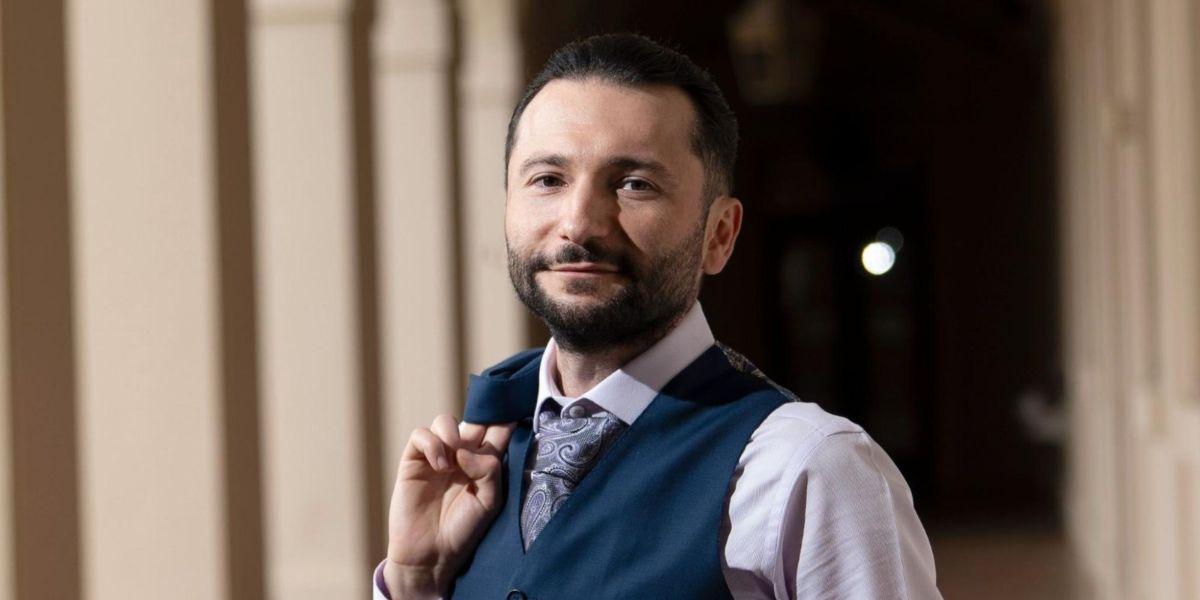
George Mkrtchyan, Esq., Managing Attorney of Court House Lawyers, argues that this final appointment deserves the same preparation as the demand that produced it. For the Glendale lemon law attorney, the most useful question an owner can ask before a lemon law buyback closes is simple: when the car is surrendered, who will be holding the check?
What Happens at a Lemon Law Buyback Turn-In
A qualifying buyback under California’s Song-Beverly Consumer Warranty Act generally provides restitution based on the vehicle’s purchase price and eligible costs. That typically includes the down payment, the payments made, and taxes, registration and incidental costs. The mileage offset comes out of that total. It is calculated from the miles on the vehicle at the first repair visit for the defect.
The turn-in appointment is where those numbers become real. The owner hands over the vehicle and every key. Transfer paperwork is signed. A surrender agent takes possession. From that point, the car carries its history forward without the owner.
That history is recorded on the title. The California DMV lists “Warranty Return (or Lemon Law Buyback)” among the title brands applied to vehicles returned to the manufacturer under California’s lemon law. The DMV notes that a title brand appears in a red box titled VEHICLE HISTORY near the upper right-hand corner of the title. For the owner surrendering the car, the appointment is the moment the vehicle stops being their problem.

The Buyback Check Question Owners Rarely Ask
Most owners arrive at the appointment focused on the car. Few ask in advance where the money goes. In some legal claims, settlement funds travel through the law office before reaching the client. Owners who have never been through a buyback often assume the same path applies. The question is worth asking early, before the appointment is scheduled, so the answer is settled before anyone arrives.
Mkrtchyan’s firm handles it differently. It asks that the buyback check be handed directly to the client at the surrender appointment. The approach rests on how lemon law fees work. Civil Code § 1794 provides for recovery of reasonable attorney’s fees and costs in qualifying cases where the consumer prevails. The firm states that it bills separately rather than deducting fees from the client’s buyback.
“The surrender is the last step of the case, and it should belong to the client,” Mkrtchyan says. “We request for the check to go into the owner’s hands at that time, so the recovery leaves with them even though the car stays behind.”
Why the Lemon Law Buyback Check Goes to the Owner
The firm’s stated approach emphasizes having the client receive the buyback payment directly at surrender.
On its Los Angeles lemon law page, Court House Lawyers states that a client’s buyback check is requested to be handed to the client at vehicle return rather than routed through the office. Readers can weigh for themselves why that detail might be significant to someone who has spent months making payments on a car that would not stay fixed.
The point is less about any single firm than about what an owner should know before the appointment. A buyback is the owner’s recovery. Knowing in advance how and when the funds arrive removes one of the last uncertainties of a long process. It also gives the case a clear finish: the car goes one way, and the check goes the other.
Preparing for the Lemon Law Buyback Appointment
Preparation is mostly practical. Owners can gather every key and fob before the appointment. Personal items, garage remotes and toll transponders are easy to leave behind in a car that will not come back. Reviewing the figures in the repurchase agreement ahead of time can help, so the numbers are not a surprise. The owner can also ask beforehand who will attend, what documents to bring, and who will hand over the check.
Mkrtchyan is candid that owners do not always want to think about any of this. “Many people are worn out by the time a buyback is approved, and I understand wanting to treat the appointment as a formality,” he says. “It usually isn’t. A little preparation the week before can make the buyback appointment quick and easy.”
Mkrtchyan, who holds State Bar of California license #339099 and is in good standing, practices lemon law from the firm’s Glendale office, and the surrender appointment is where his approach is easiest to see. A single question asked a few days early can spare an owner a phone call to find out where their money went.
When the owner walks out of the service lane, the keys stay at the dealership. When the agreement provides for payment at surrender, the check can leave with the owner.
This article is for general information only and does not constitute legal advice. Buyback terms and payment procedures depend on the individual case and agreement.
Disclaimer: This article is provided for general informational purposes only and does not constitute legal advice or create an attorney-client relationship. California lemon law rights, eligibility requirements, repurchase amounts, mileage offsets, attorney-fee arrangements, and vehicle surrender procedures can vary depending on the facts of the individual case, warranty terms, applicable law, and settlement or repurchase agreements. Nothing in this article guarantees a particular outcome or recovery. Readers should consult a qualified California lemon law attorney regarding their specific circumstances and independently verify any legal or procedural information before taking action.