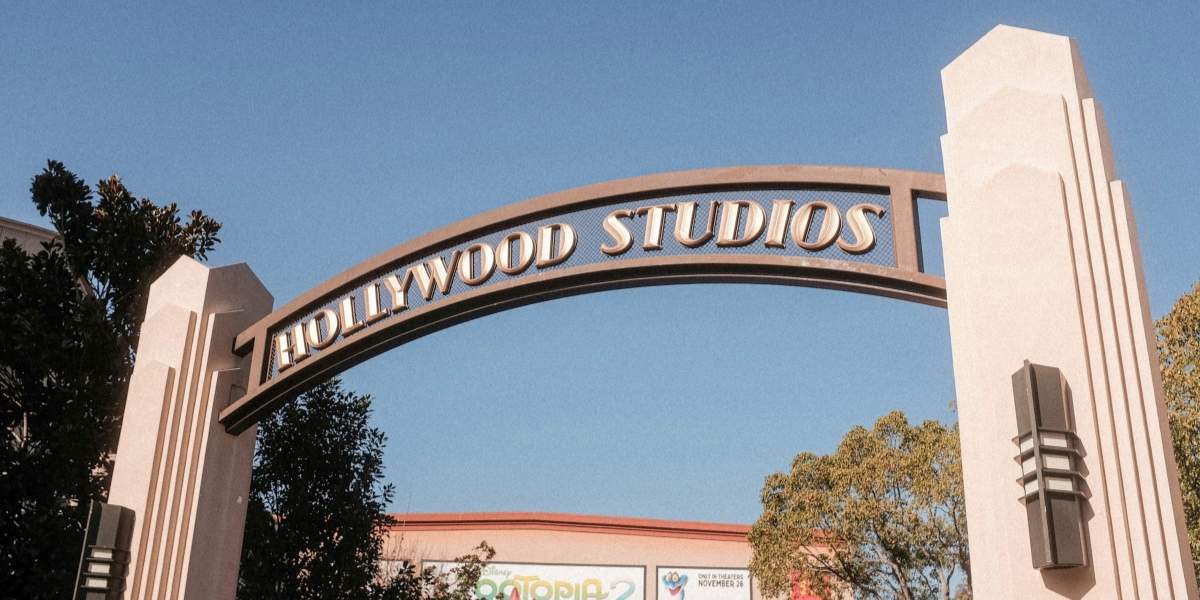





Hollywood filming slump continued during the second quarter of 2026, with production activity across Greater Los Angeles declining despite expanded California production tax credits. The latest figures provide an updated measure of filming levels and show that local production has yet to return to previous benchmarks.
Key Takeaways
- FilmLA released second-quarter 2026 filming data for Greater Los Angeles.
- The region recorded 4,711 shoot days during the quarter ending June 30.
- Filming declined nearly 13% compared with the same period in 2025.
- Production remained about 36% below the five-year average.
- Expanded California production tax credits have not yet reversed the decline.
Production activity across Greater Los Angeles totaled 4,711 shoot days during the three-month period ending June 30. The nonprofit organization tracks on-location filming throughout the region and publishes quarterly data that measures production activity across television, feature films, commercials and other entertainment projects.
The latest report showed that local filming declined by nearly 13% compared with the same quarter in 2025. The figures also placed production approximately 36% below the five-year average, indicating that filming levels remain well below recent historical benchmarks. The findings follow continued discussion surrounding California film incentive changes that were introduced to encourage more productions to remain in the state.
Hollywood Filming Slump Continues in Second Quarter
Second-Quarter Production Totals
FilmLA’s latest report covered production activity recorded between April and June 2026. During that period, the organization documented 4,711 shoot days across Greater Los Angeles.
Shoot days represent the number of production days completed at permitted filming locations. The metric is widely used to measure overall filming activity throughout the region and provides a consistent benchmark for comparing production levels over time.
The second-quarter total reflected another period of reduced production activity across the Los Angeles area despite continued efforts to encourage local filming.
The report measured filming across multiple production categories that contribute to the regional entertainment economy, including television, feature films, commercials and digital productions. Those figures also align with previous reporting examining changes in Hollywood production and their effect on the region’s entertainment workforce.
FilmLA Reports Lower Production Activity Across the Region
FilmLA continues to monitor filming activity throughout Greater Los Angeles by collecting permit data from participating jurisdictions. The nonprofit’s quarterly reports provide one of the industry’s primary indicators of local production volume.
According to the latest figures, filming activity declined nearly 13% compared with the same period one year earlier.
The year-over-year comparison indicates that production has not returned to previous levels despite policy measures intended to support film and television projects within California.
Lower filming activity affects production schedules across numerous locations commonly used for entertainment projects throughout the region.
The report provides current production data rather than forecasts, focusing on completed filming activity during the second quarter.
Year-Over-Year Comparison
The comparison with second-quarter 2025 showed another annual decline in local filming activity.
FilmLA’s data allows direct comparisons between equivalent reporting periods, providing a standardized view of changes in production volume from one year to the next.
The latest figures showed that the reduction extended beyond short-term fluctuations, with production remaining below both last year’s totals and longer-term averages. The production environment also provides context for the city’s growing independent film community, which continues to operate alongside the broader studio ecosystem.
Quarterly Data Measures Declines From Prior Benchmarks
Five-Year Average Benchmark
In addition to annual comparisons, FilmLA evaluated current production against the five-year average.
The second-quarter total remained approximately 36% below that benchmark, indicating that filming activity has not recovered to the levels recorded across the broader five-year period.
The five-year comparison provides additional context because it reflects production across multiple market conditions rather than a single reporting year.
Using both year-over-year data and multi-year averages allows FilmLA to present a broader statistical picture of current filming activity throughout Greater Los Angeles.
The report did not identify a return to average production levels during the quarter ending June 30.
The published figures serve as an industry reference for production companies, local governments and businesses that monitor filming activity throughout Southern California.
California Tax Credit Expansion Has Yet to Lift Local Production
California expanded its production tax credit program as part of ongoing efforts to encourage film and television projects to remain within the state.
The report measured production outcomes rather than evaluating the effectiveness of individual policy changes. It presented current filming totals alongside historical comparisons without attributing specific causes beyond the available data.
The quarterly report therefore provides an updated snapshot of production activity after the tax credit expansion while indicating that local filming levels have not yet returned to previous averages.
The data also demonstrate that the presence of expanded incentives has not coincided with an immediate increase in regional shoot days during the second quarter of 2026. The current figures also contrast with earlier coverage of Los Angeles DIY filmmaking initiatives that explored how independent creators are adapting to production challenges through smaller-scale projects.
Latest Figures Reflect Current Conditions for Greater Los Angeles Filming
FilmLA’s second-quarter report provides the latest publicly available measurement of filming activity throughout Greater Los Angeles. The organization recorded 4,711 shoot days during the reporting period, documenting production completed across participating jurisdictions.
The report presents a factual assessment of current production levels using standardized quarterly data collected from local permitting activity.
By comparing current totals with both the previous year and the five-year average, the report shows that filming activity remains below recent historical benchmarks.
The second-quarter findings offer an updated reference point for businesses and organizations connected to film and television production across the Los Angeles region.
Future quarterly reports will provide additional measurements of production activity as FilmLA continues tracking filming throughout Greater Los Angeles.
Frequently Asked Questions
What did FilmLA report for the second quarter of 2026?
FilmLA reported that Greater Los Angeles recorded 4,711 shoot days during the second quarter of 2026, with filming activity declining compared with the same period in 2025.
How many shoot days were recorded in Greater Los Angeles?
The organization reported a total of 4,711 shoot days for the quarter ending June 30, 2026.
How did second-quarter filming compare with the previous year?
FilmLA reported that filming activity declined by nearly 13% compared with the second quarter of 2025.
How does current filming activity compare with the five-year average?
According to FilmLA, second-quarter production remained approximately 36% below the five-year average.
What role do California production tax credits play in the report?
The report noted that filming activity remained below previous benchmarks despite expanded California production tax credits, while presenting production data without attributing specific causes beyond the reported figures.