



A recap of “Architecture of Opportunity,” the debut session that turned a Beverly Center art gallery into a proof-of-concept for a new kind of media platform.
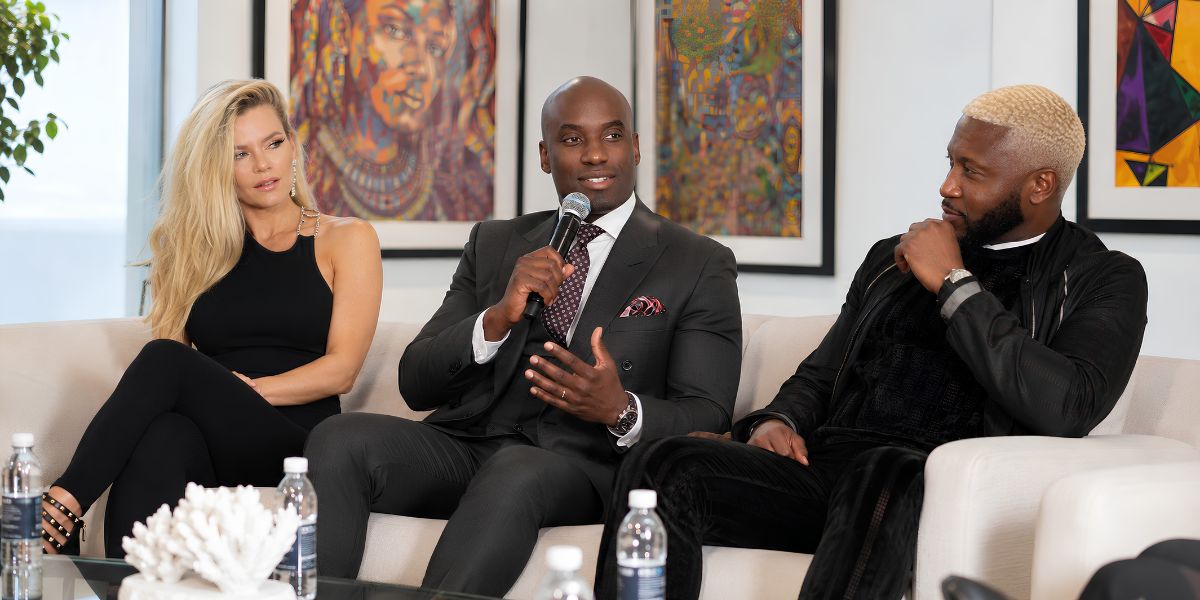
Latisha Van Simon, Ike Onuoha, and Septimius
On Thursday, June 18, 2026, the eighth floor of BLVKBOOK Art Gallery in Beverly Center, Los Angeles, became the site of Culture X Capital’s first taping. It was not a launch party or a press conference, but a fully realized media proof-of-concept that host and founder Ike Onuoha had been building toward with intention. The episode, titled “Architecture of Opportunity,” was built around a single operating thesis. The right room of people, curated with purpose, generates more authentic opportunities than any conventional interview format could produce on its own.
Setting the Tone Before a Word Was Said
The choice of BLVKBOOK Art Gallery over a conventional production studio was deliberate from the start, and the space made its case the moment guests walked in. The gallery holds original works from painters, sculptors, and decorators side by side: handmade chairs anchoring the center of the room, a mannequin reimagined in layered, colorful paint, every wall carrying a distinct artist’s vision. It’s the kind of creative environment where every detail rewards a deeper look, and where the most talented voices in the building feel immediately at home.
For Culture X Capital, the setting wasn’t just a backdrop. It was a statement. The platform is built on the belief that culture, creativity, and capital are not separate conversations but a single ecosystem. Recording inside a space where imagination is the only real limit gave the pilot a physical environment that embodied the brand’s mission before the first question was asked.
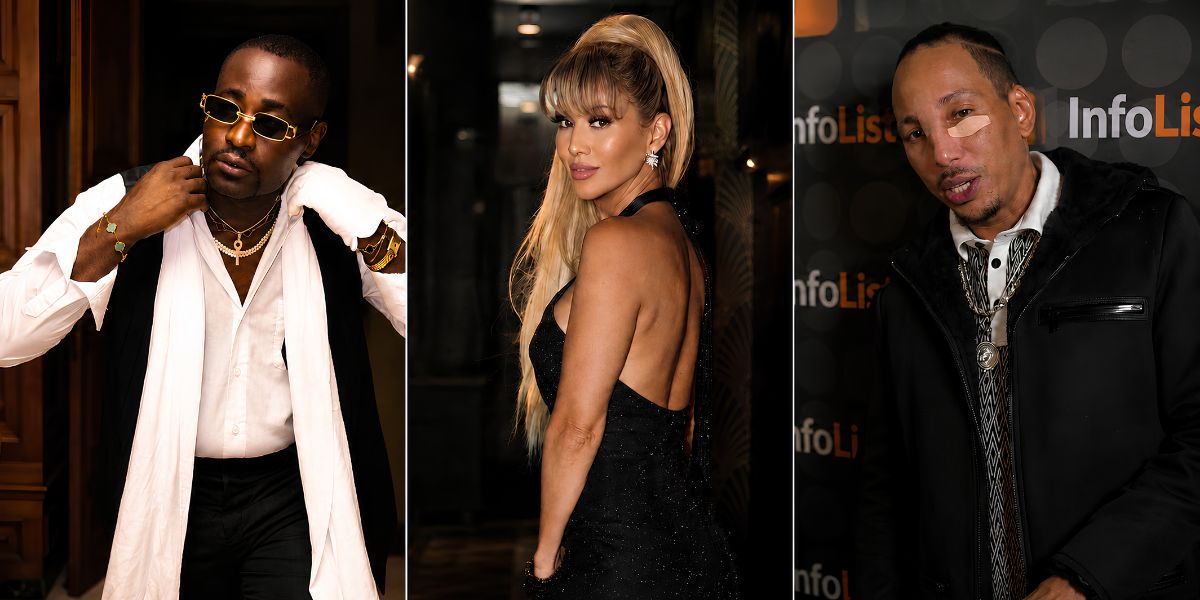
AbFad, Leila Ciancaglini, Christopher Akeem
Who Was in the Room
Onuoha opened the session by grounding the conversation in what Culture X Capital is actually about: the gap between visibility and real opportunity, and what it takes to close it. From there, the episode moved through a deliberately cross-disciplinary guest lineup, with each voice selected not for follower counts or name recognition alone, but for how their personal trajectory demonstrates the theme in concrete, specific terms.
- AbFad, the Sierra Leonean-born Afrobeats artist and music video director, raised across four countries, brought a global perspective on how artists transform cultural identity into lasting creative leverage. Drawing on collaborations with MC Galaxy and Bisa Kdei, and his directing work for artists including Young Paris of Roc Nation, AbFad spoke to the intersection of sound, visual storytelling, and the business of building an international music career from the ground up.
- Leila Ciancaglini, entrepreneur and CEO of RLC Models & Talent Agency, addressed the mechanics of talent representation, sponsor relationships, and event production at a premium level, including the upcoming launch of RLC Backstage, her platform’s latest venture into the behind-the-scenes economy of fashion and entertainment.
- Latisha Van Simon, a genre-defying singer, songwriter, and producer from the Netherlands, whose career spans performing alongside Stevie Wonder and singing the National Anthem for the Los Angeles Lakers, spoke to the momentum behind her latest releases. Her new single, “Can’t Stop,” and her collaboration with Shitty Princess, “Call Me Up,” have been building radio traction across Spain and Africa, making her one of the session’s clearest examples of an independent artist turning creative range into genuine cross-market reach.
- Christopher Akeem, actor, producer, and music manager, brought the episode’s throughline into sharp focus: how social visibility, when paired with strategic intent, converts into a real entertainment industry opportunity. His own career trajectory, from building a following to operating on both sides of the camera and the boardroom, made him one of the session’s most direct illustrations of the Architecture of Opportunity thesis in action.
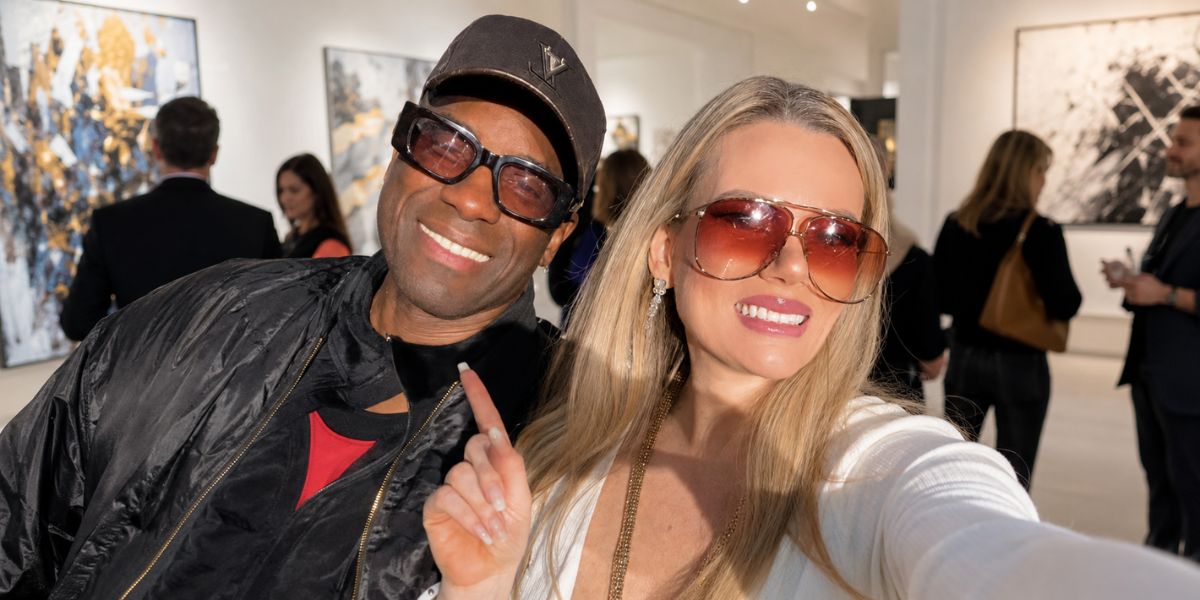
Ike Onuoha with Latisha Van Simon
What the Pilot Format Proves That a Pitch Deck Can’t
Most new media platforms approach potential sponsors and brand partners with projections, mood boards, and a vision of what they’re building toward. Culture X Capital’s first session took a different route. Rather than describing the product, it produced it. The pilot delivered premium interview content, short-form clips, behind-the-scenes footage, and a sponsor-facing reel, all from a single curated session, all built to demonstrate commercial viability from the first frame rather than promising it later.
That distinction matters for anyone evaluating the platform. A sponsor reviewing Culture X Capital after this pilot is not asked to imagine a future outcome. They are looking at a finished, produced session and what its room, guests, and editorial direction represent. One approach is speculative. The other is evidence.
Where the Platform Goes From Here
With the proof-of-concept now on record, Culture X Capital moves into its next phase with a clear baseline established. Episode 2 is already confirmed and set to feature Septimius the Great. The platform continues to build relationships with sponsors, brand partners, and collaborators around the idea of a media ecosystem where culture and capital sit in the same conversation. More information about Culture X Capital and its upcoming sessions is available on the Culture X Capital platform page.