



By: Lyssanoel Frater
Simple defensive driving habits can help motorists manage traffic, freeway merges, changing road conditions, and everyday hazards.
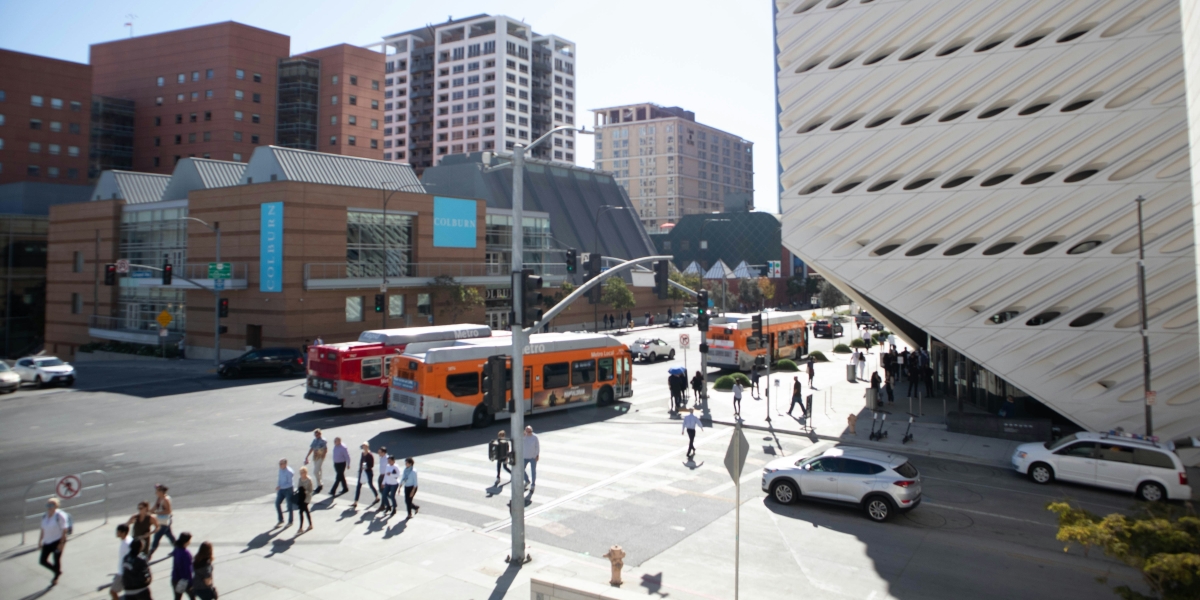
Los Angeles drivers encounter heavy traffic every day as they navigate freeway merges, busy intersections, and rapidly changing conditions. They share the road not only with cars and trucks but also with cyclists, motorcyclists, and pedestrians.
Drivers can’t control road conditions or what other people on the road do, but they can practice defensive driving habits. If the worst does occur, resources from a Los Angeles car accident lawyer can provide information about how to deal with the aftermath of a crash.
Avoid Distracted Driving in Los Angeles Traffic
Before starting on the road, a driver should eliminate distractions by setting their navigation and then putting their phone away. When on the road, they should keep their attention fully on their task and pay attention to traffic signals and intersections. Drivers should also scan the road ahead rather than focusing only on the vehicle in front of them.
If a phone notification arrives while the driver is navigating traffic, it should be ignored until the vehicle is safely stopped.
Maintain a Safe Following Distance
California’s DMV Safe Driving guide offers helpful recommendations for drivers, such as giving themselves time to react, avoiding last-minute maneuvers, staying out of another vehicle’s blind spot, and scanning at least 10 seconds ahead for road hazards.
The guide also recommends that drivers keep a three-second following distance from the vehicle in front of them, giving them enough time to react if the vehicle ahead suddenly brakes. This distance should be increased when conditions worsen, including during weather that reduces visibility.
Manage Speed and Drive Defensively
California’s Basic Speed Law establishes that a driver can’t drive faster than what is safe for the current road conditions. Drivers must take into account the traffic volume, the speed of other vehicles, road conditions, weather, pedestrians, and cyclists.
Drivers should also avoid weaving through traffic, abrupt acceleration, and unnecessary hard braking.
Change Lanes and Merge Carefully
While driving, individuals should always signal before changing lanes and turning. Before moving into a lane, they should check their vehicle’s mirrors and blind spots, then move one lane at a time. Drivers should also remain patient when approaching exits, and if they can’t change lanes in time to exit, they should take the next exit.
Watch for Pedestrians, Cyclists, and Motorcyclists
Drivers should be cautious when approaching crosswalks and intersections, scanning the area for pedestrians. Drivers should check for pedestrians, cyclists, and motorcyclists before turning or opening a vehicle door because smaller road users may be difficult to see. Always give cyclists and motorcyclists adequate space when driving.
The DMV identifies motorcycles as harder to see on the road and recommends always checking mirrors when changing lanes or merging. A road user should never assume that other people on the road have seen them and should take appropriate precautions.
The mixed transportation environment on LA roads can cause serious problems at intersections if drivers are not paying attention. The LAPD has increased enforcement at dangerous intersections as the city responds to serious and fatal crashes.
Four Common Questions About Driving Safely in Los Angeles
What is the safest following distance in Los Angeles traffic?
The California DMV recommends using the three-second rule, but suggests increasing distance based on road conditions.
How can drivers reduce distracted driving?
Drivers should set their navigation before departing and ignore notifications while driving. They should not be handling their phone while on the road.
What should drivers do when merging onto a Los Angeles freeway?
Drivers should always check their mirrors and blind spots, signal, and move over when there is enough room to do so safely.
Why is defensive driving important in busy urban areas?
Driving defensively gives drivers more time to recognize and react to hazards when road conditions change.
Disclaimer: This article is provided for general informational and educational purposes only and does not constitute legal, driving, or safety advice. Traffic laws, regulations, and official driving guidance may change, and the information presented may not reflect the most current requirements or apply to every driving situation. Drivers should consult the current California Department of Motor Vehicles guidance and applicable laws for authoritative information. Defensive driving practices can reduce certain risks but cannot prevent every accident or guarantee a particular outcome. Information about potential car accident claims is general in nature and should not be considered legal advice or a substitute for consultation with a qualified attorney regarding a specific incident.