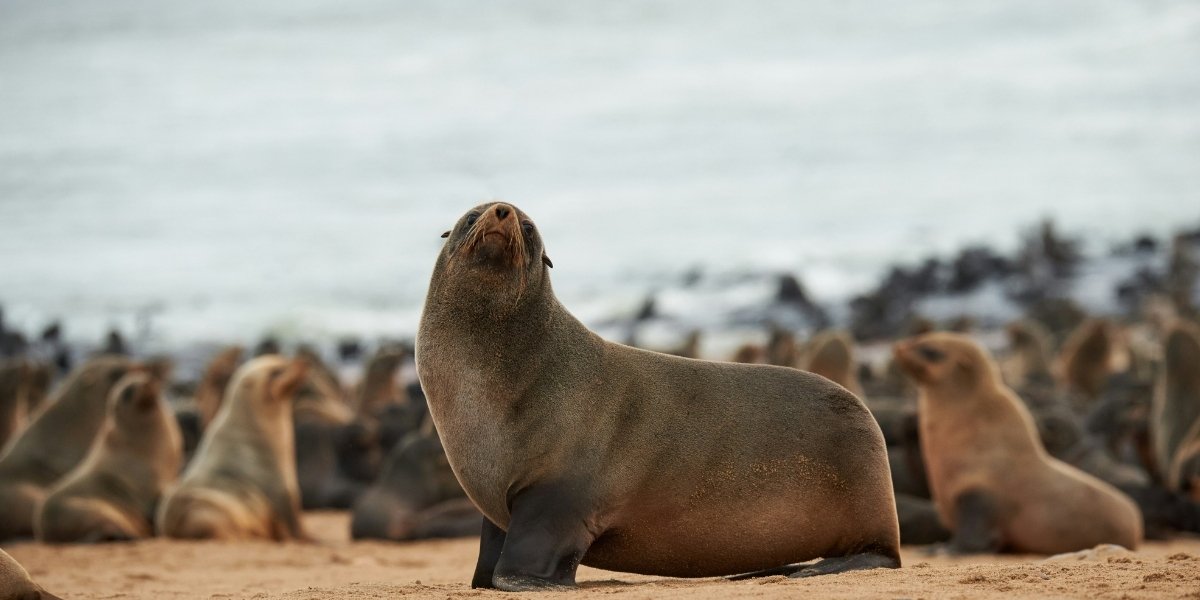





A viral video appearing to show a person kicking a California sea lion at La Jolla Cove has prompted federal and local reviews. The incident matters because it highlights the challenge of protecting marine wildlife while preserving public access at one of San Diego’s busiest coastal destinations.
Key Takeaways
- NOAA Fisheries’ Office of Law Enforcement confirmed an investigation.
- The person shown had not been publicly identified as of July 28, 2026.
- San Diego Mayor Todd Gloria directed local law enforcement to review the footage.
- NOAA advises visitors to remain at least 50 yards from seals and sea lions.
- The incident renewed debate over boundaries, staffing and access at La Jolla Cove.
The Jolla sea lion video moved from social media to an official investigation after footage appeared to show a person kicking and pursuing a sea lion near La Jolla Cove. Another person can be heard laughing as the animal moves away.
NOAA Fisheries confirmed that its Office of Law Enforcement was investigating reports connected to the video. The agency said the interaction allegedly occurred at La Jolla Cove and declined further comment because the investigation remained open. The individual shown had not been publicly identified.
San Diego Mayor Todd Gloria also directed local authorities to review the footage. “This disgusting act of animal cruelty is unacceptable,” Gloria wrote in a post on X.
The available information does not establish whether the sea lion was injured, who recorded the encounter or whether any citation or charge will follow. Those questions remain unresolved while investigators assess the footage and try to identify those involved.
The Incident Exposes an Enforcement Challenge
California sea lions are protected under the Marine Mammal Protection Act, which prohibits unauthorized harassment and other unlawful interference with marine mammals. NOAA’s guidance recommends staying at least 50 yards, or 150 feet, from seals and sea lions on land or in the water. It also advises limiting observation to 30 minutes.
The guidance is especially relevant at La Jolla Cove, where visitors can encounter sea lions on sand, rocks and low coastal barriers. The cove combines a public beach with swimming, diving and wildlife viewing, creating repeated contact between people and animals.
San Diego has added signs, multilingual announcements, ranger patrols and volunteer education. However, city park rangers do not enforce the federal law. Suspected violations may be referred to NOAA, which decides whether to investigate or pursue enforcement.
A city spokesperson previously told SFGATE that referrals can be difficult when individuals refuse to identify themselves and leave. NOAA also told the outlet that limited staffing prevents a constant federal presence at the cove.
That structure leaves much of the response dependent on warnings, cooperation and witness reports. The tension resembles other animal welfare debates in which public access or entertainment is weighed against rules intended to reduce harm.
Beach Access Remains Central to La Jolla’s Wildlife Debate
Wildlife advocates have supported clearer physical boundaries, including cones or tape, to show visitors where they should stop. Some beach-access advocates argue that such barriers could function as a partial closure.
The city has taken a more restrictive approach. Point La Jolla, the rocky shoreline between La Jolla Cove and Boomer Beach, includes posted closure areas and a designated ocean-access corridor. City signs warn visitors not to approach seals or sea lions and state that harassment is against the law.
San Diego identifies early May through October as the typical sea lion pupping season. During that period, mothers and pups bond, nurse and learn to swim. The city warns that human interaction may contribute to injury, abandonment or defensive behavior by adults.
La Jolla Cove remains open, making it a different management problem from closed sections of Point La Jolla. The beach attracts large crowds, while changing Southern California beach conditions can affect where visitors and wildlife gather.
The policy question is whether current signs, staffing and voluntary compliance can prevent conduct that goes beyond accidental crowding. The video appears to show deliberate pursuit, placing the incident outside routine disputes about estimating distance.
Visitors should keep substantial space from sea lions, avoid touching or feeding them, preserve their route to the water and follow posted closures. Suspected harassment can be reported to authorities rather than addressed through direct confrontation.
The Jolla sea lion video has placed renewed attention on how federal wildlife protections operate at a crowded urban beach, what city personnel can do in real time and whether clearer boundaries are needed without closing La Jolla Cove entirely.
Frequently Asked Questions
What Does the Video Appear to Show?
The footage appears to show a person kicking and following a California sea lion as the animal moves away near La Jolla Cove. Another person can be heard laughing, but reporting does not establish who recorded it.
Who Is Investigating the Incident?
NOAA Fisheries’ Office of Law Enforcement confirmed that it is investigating the Jolla sea lion video. San Diego Mayor Todd Gloria also said he directed local law enforcement to review the footage.
How Far Should Visitors Stay From Sea Lions?
NOAA recommends remaining at least 50 yards, or 150 feet, from seals and sea lions on land or in the water. Visitors should increase that distance when an animal reacts to their presence.
Is La Jolla Cove Closed?
La Jolla Cove remains open, although nearby Point La Jolla includes posted closure areas and an ocean-access corridor. Visitors must follow signs and avoid disturbing marine wildlife.