




A proposed Los Angeles rodeo ban is again drawing attention after animal advocacy groups urged city leaders to move the measure forward before a key deadline, turning a long-running local ordinance fight into a broader debate over animal welfare, cultural tradition, and the future of Western-style entertainment in one of the country’s largest cities.
The proposal, tied to Los Angeles Council File 20-1575, has been pending for years and remains in committee. City records show the file was introduced in December 2020 and is currently pending before the Arts, Parks, Libraries, and Community Enrichment Committee, with an expiration date listed for July 18, 2026. The latest version centers on prohibiting certain harmful animal exhibition activities in Los Angeles, rather than banning all horse-related or equestrian activity.
The issue regained visibility in late May, when animal advocates publicly called on the committee to take up the draft ordinance and send it to the full City Council. Supporters argue the proposal is aimed at preventing animal distress and injuries associated with specific rodeo events. Opponents and industry voices say the measure risks mischaracterizing a long-standing sport and could affect cultural practices if not written carefully.
That tension has made the proposal more than a technical city ordinance. It has become a flashpoint over how Los Angeles defines public entertainment involving animals, and how far local government should go in regulating events that draw paying audiences, organized competitors, cultural groups, and animal welfare scrutiny.
What the Ordinance Would Target
The draft ordinance has evolved since the original proposal. Earlier discussion focused on banning certain devices and practices associated with rodeos, including electric prods, flank or bucking straps, wire tiedowns, and sharpened or fixed spurs. Later city filings refer to a broader draft ordinance that would prohibit harmful animal exhibition activities within the city.
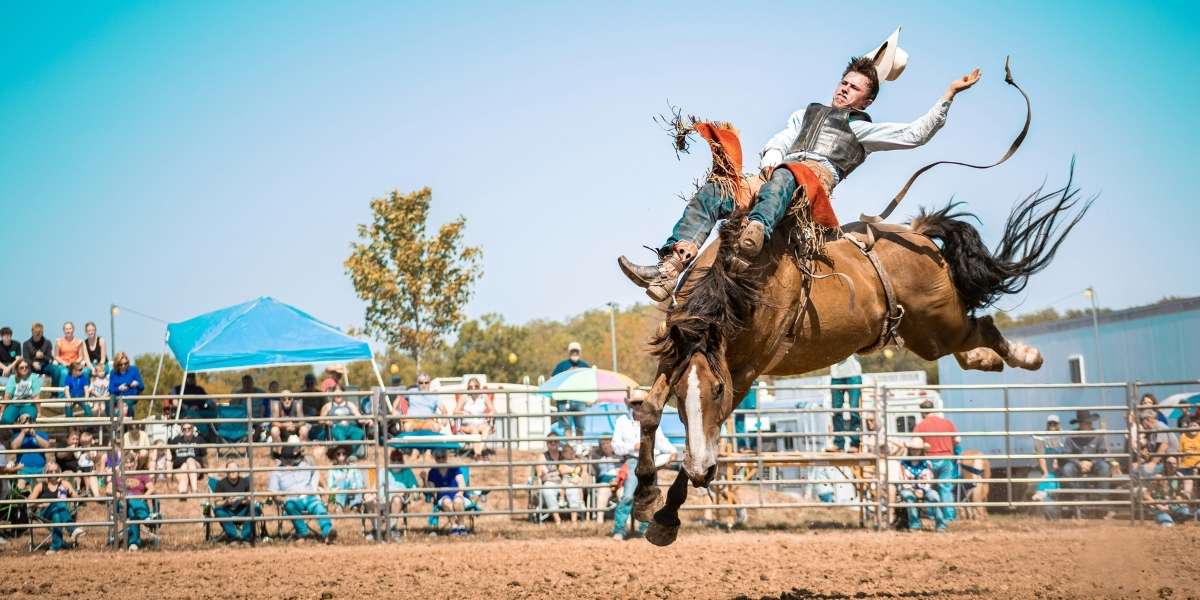
Public reporting and city records indicate the ordinance is expected to define rodeo as a public entertainment exhibition, performance, or competition involving specific events such as bareback bronc riding, saddle bronc riding, bull riding, calf roping, steer wrestling, team roping, or other activities that involve physically taking down an animal, roping an animal, or attempting to ride a bucking animal.
Supporters of the ban have focused on the treatment of animals used in those events. Animal advocacy organizations have argued that rodeo competitions can place animals under stress for entertainment purposes and have pressed Los Angeles to join other California cities that have taken similar action.
The proposal has also been shaped by concerns that a broad rodeo ban could be misread as a ban on equestrian culture. City discussions have included language intended to protect activities that do not involve the targeted practices. Examples cited publicly include trick roping without lassoing animals and choreographed riding set to music.
That distinction is now central to the debate. Supporters say the ordinance has been narrowed to address specific activities. Critics and cultural advocates want assurances that traditional equestrian events will not be swept into the same category as commercial rodeo events.
Culture Becomes the Center of the Fight
The debate has taken on added sensitivity because Los Angeles is home to diverse equestrian communities, including groups tied to charrería, escaramuza, Indigenous rodeo traditions, and other riding practices with deep cultural roots.
When the City Council previously voted to move the proposal forward in December 2023, it also approved an amendment intended to carve out protections for certain cultural and traditional equestrian events, provided those events do not involve the activities targeted by the proposed ban. That amendment reflected concerns that a blanket policy could create confusion for communities that view riding, roping demonstrations, and mounted performance as cultural expression rather than commercial rodeo entertainment.
Council discussion at the time emphasized that the proposal was not intended to restrict horseback riding, dressage, trail riding, or cultural equestrian events that fall outside the defined activities. Still, the wording remains critical because the ordinance has not yet cleared the committee process or returned to the full council for final consideration.
For supporters of cultural exemptions, the key question is whether the final language will be precise enough to separate animal welfare restrictions from traditional equestrian practice. For animal welfare groups, the question is whether exemptions could leave loopholes that allow the same contested activities under different names.
That unresolved balance is why the proposal continues to generate strong reactions. It asks Los Angeles to draw a legal line between performance, sport, cultural preservation, and animal protection.
PBR and Large Arena Events Face Uncertainty
One of the clearest potential effects would be on large-scale bull riding events held in Los Angeles. Professional Bull Riders has brought arena-style events to Crypto.com Arena, where the format typically centers on riders attempting to stay on bucking bulls for an eight-second ride.
PBR representatives have publicly defended their events, describing them as athletic entertainment involving human and animal athletes. The organization has also argued that its Los Angeles events bring fans together and support local economic activity through arena attendance, hospitality, travel, and related spending.
Animal advocacy groups view the same events differently. They argue that bucking events rely on distress or provocation and should not be treated as family entertainment. That disagreement has defined much of the public messaging around the proposal: one side frames the events as animal exploitation, while the other frames them as regulated sport, tradition, and live entertainment.
The ordinance could also affect promoters, venue operators, vendors, and workers tied to arena events if it prevents certain shows from being held inside city limits. However, the scope of that impact would depend on the final wording, enforcement provisions, and whether any event formats could be modified to comply.