
By: Mary Sahagun
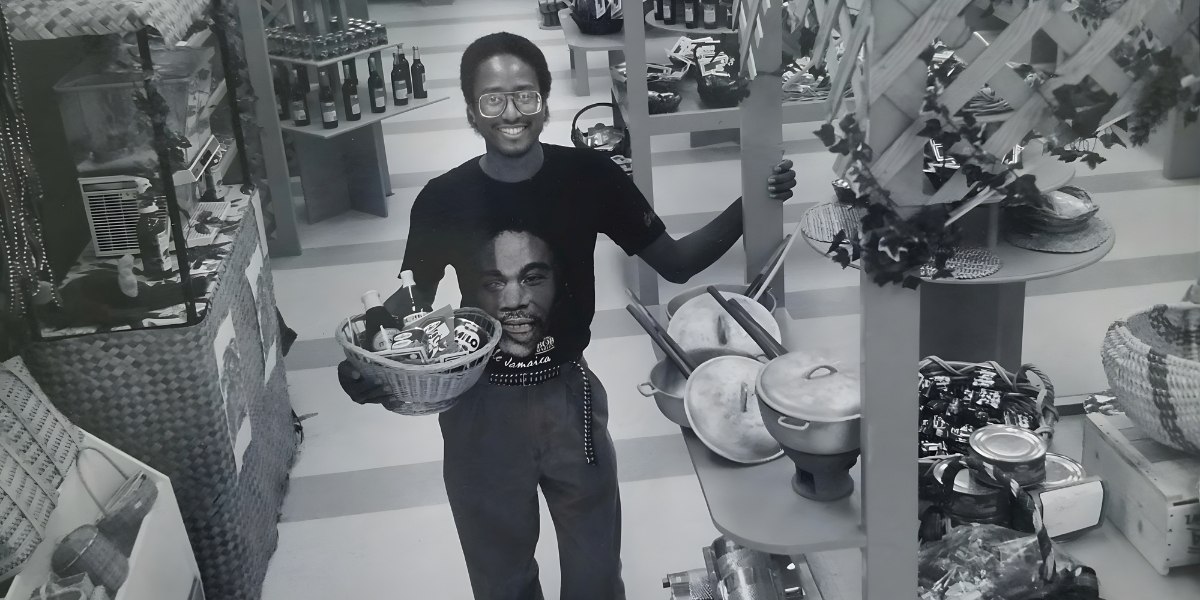
In a quiet corner of West Hempstead, New York, a Jamaican beef patty once changed the course of a U.S. citizenship interview. The examiner caught a whiff of the savory pastry and asked the man across the desk if he smelled Chinese food. “No,” he said, “that’s beef patties.” She quickly realized he was the owner of Sam’s Caribbean Marketplace, a beloved neighborhood spot. She didn’t ask another question. “You’ve already paid your dues,” she smiled.
That moment, both funny and surreal, captures what Sam’s Caribbean Marketplace has meant to its community for more than 30 years: not just a store, but a cultural institution. And now, with the relaunch of its website, Sam’s is proving that even a small, family-run business can leap boldly into the digital age without leaving its roots behind.
From a $200 Oven to a Cultural Landmark
Andrew Morris didn’t plan to be a grocer. The youngest of eight children from Linstead, Jamaica, he once imagined becoming a Catholic priest. When he immigrated to New York in 1979, reluctantly at first, he found himself working in publishing and later at Newsday. But in Hempstead, Long Island, he and his wife Jean noticed a gap: plenty of Jamaicans lived there, but no store run by Caribbean people sold the foods they missed.
So, in 1993, after two years of planning, Andrew left his steady job, borrowed a secondhand toaster oven from his mother-in-law, and started baking patties, four at a time. Demand grew so quickly that he invested in a $200 household oven that cranked out 48 patties every 45 minutes. Soon, Sam’s was selling 70,000 patties a year.
But patties were just the start. Ackee, saltfish, callaloo, bun and cheese, Scotch bonnet peppers, staples supermarkets ignored, were suddenly within reach. Customers lingered to swap recipes or island news.
Before long, the saying spread: “If Sam’s doesn’t have it, you don’t need it.”
Sam’s is more than a business for the Morris family. Both Andrew and Jean are cancer survivors, their resilience reflected in the store’s own survival through bureaucratic battles, economic downturns, and even COVID shutdowns.
Their daughter Melissa started helping at 14 and today manages the website and product catalog. Their son Andy served in the U.S. Navy and is now in the Army National Guard. Even the name “Sam’s” is personal: it honors Jean’s father, Edward Samuel Bonar, who passed away just as the business was being born.
A Digital Pivot That Honors the Past
Sam’s has always evolved. In the 1990s, it was also the go-to music hub for Caribbean vinyl, CDs, and even $1 video rentals. In 2003, Andrew built the store’s first website himself, despite not knowing how to keep images from “jumping around” the page. It still managed to generate $400,000 a year at its peak.
Now, the reimagined Sams24-7.com takes that legacy into the future. The new site is sleek and intuitive, built for the diaspora and curious food lovers alike. Customers can order everything from cerasee tea to Easter bun, with nationwide shipping, in-store pickup, and even same-day delivery powered by a Predictive AI Delivery system.
Unlike faceless marketplaces, Sam’s adds cultural context to their products. Bun and cheese isn’t just a snack; it’s Easter morning in Kingston. A Maggi cube isn’t just seasoning; it’s the soul of stew peas. That cultural fluency has always been Sam’s edge, and now it’s embedded into the digital experience.
Legacy Isn’t a Look Back, It’s a Platform
Over the years, Sam’s has served reggae legends like Toots Hibbert and Super Cat, political leaders, and everyday neighbors. But its valuable endorsements come from the regulars: the grandmother who insists on her favorite brand of curry, the family that drives across state lines for a taste of home, or the customer who once said, “If Sam’s doesn’t have it, you don’t need it.”
For other small business owners, Sam’s provides valuable insights:
- Start with purpose. Andrew and Jean didn’t just sell products; they met a need for belonging.
- Build community. The aisles at Sam’s have always been gathering spaces.
- Evolve without erasing. From toaster ovens to AI delivery, every innovation still honors the original mission.
In the age of algorithms, Sam’s proves that trust is a powerful brand currency. And trust, once earned, travels far, by word of mouth, by email, and now, by click.
Today, as the scent of jerk seasoning and fresh patties drifts from its Long Island storefront to doorsteps across the country, Sam’s Caribbean Marketplace isn’t just surviving online. It’s thriving, on its own terms, in its own flavor.