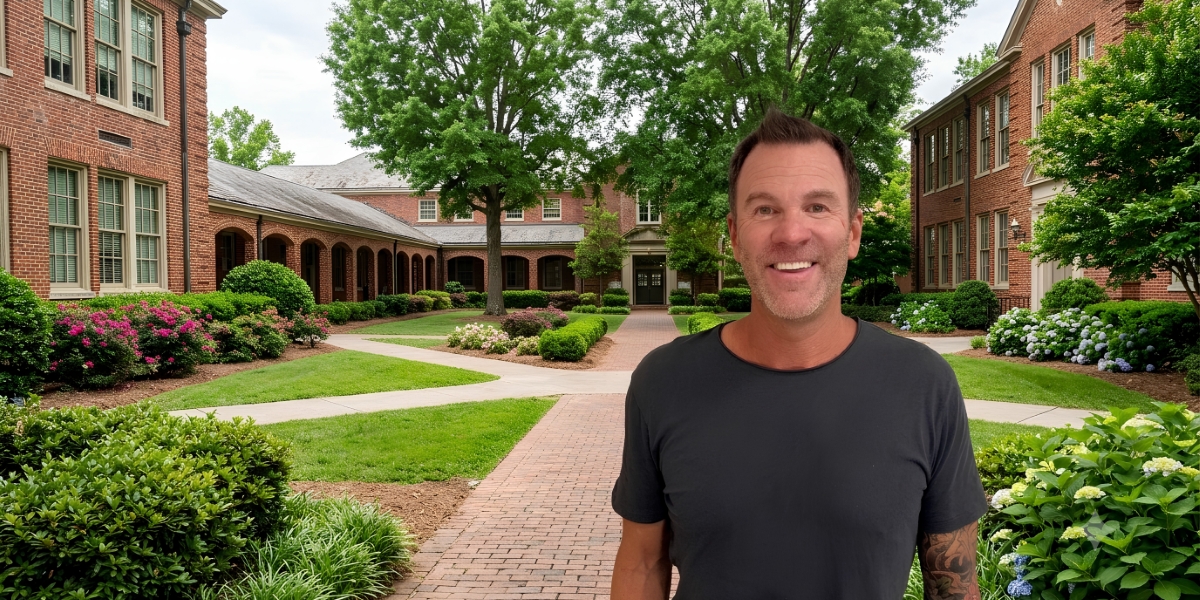




The founder of Speech Dude spent 25 years in the schools before deciding the conversation needed to reach much further
For most of his career, Chris Wenger’s audience was a classroom. A handful of students at a time, in the hallways and resource rooms of public high schools, working through the daily, unglamorous business of communication and connection. Today that audience numbers more than a million. The distance between those two facts is the story of how one speech-language pathologist decided the conversation about autism was too important to stay behind closed doors.
Wenger, M.S., CCC-SLP, is a speech-language pathologist, speaker, author, and the founder of Speech Dude. Over more than 25 years, he has supported autistic and other neurodivergent children, teens, families, and educators, spending much of that time embedded in school settings. It was there, working directly with students, that the questions began to accumulate. Questions that would eventually pull him out of the traditional clinical lane and into a public role he never originally sought.
The students he worked with were, in his description, full of strengths. Yet they were frequently misunderstood or evaluated primarily through a deficit-based lens, measured against a list of things they struggled to do rather than recognized for what they brought. The disconnect nagged at him. He could see capability that the standard tools were not built to capture, and he could see students internalizing a story about themselves that did not match who they actually were.
What changed him, more than any single training or study, was listening to autistic people describe their own lives. As a clinician, Wenger had been trained to focus on observable behaviors. Over time, he realized that autistic individuals were consistently sharing insights about masking, burnout, communication differences, and support needs that those traditional approaches tended to miss entirely. Those conversations, he says, challenged him to rethink his assumptions and ultimately reshaped the way he practiced.
He also brings a personal lens to the work. Wenger is a speech-language pathologist with ADHD, and part of what sets his perspective apart is his ability to hold several viewpoints at once: decades of clinical experience, the insights of autistic individuals, current research, and the day-to-day realities faced by families and educators. Much of his work focuses on helping people move past simply trying to change behavior and toward understanding the reasons behind communication differences and lived experiences.
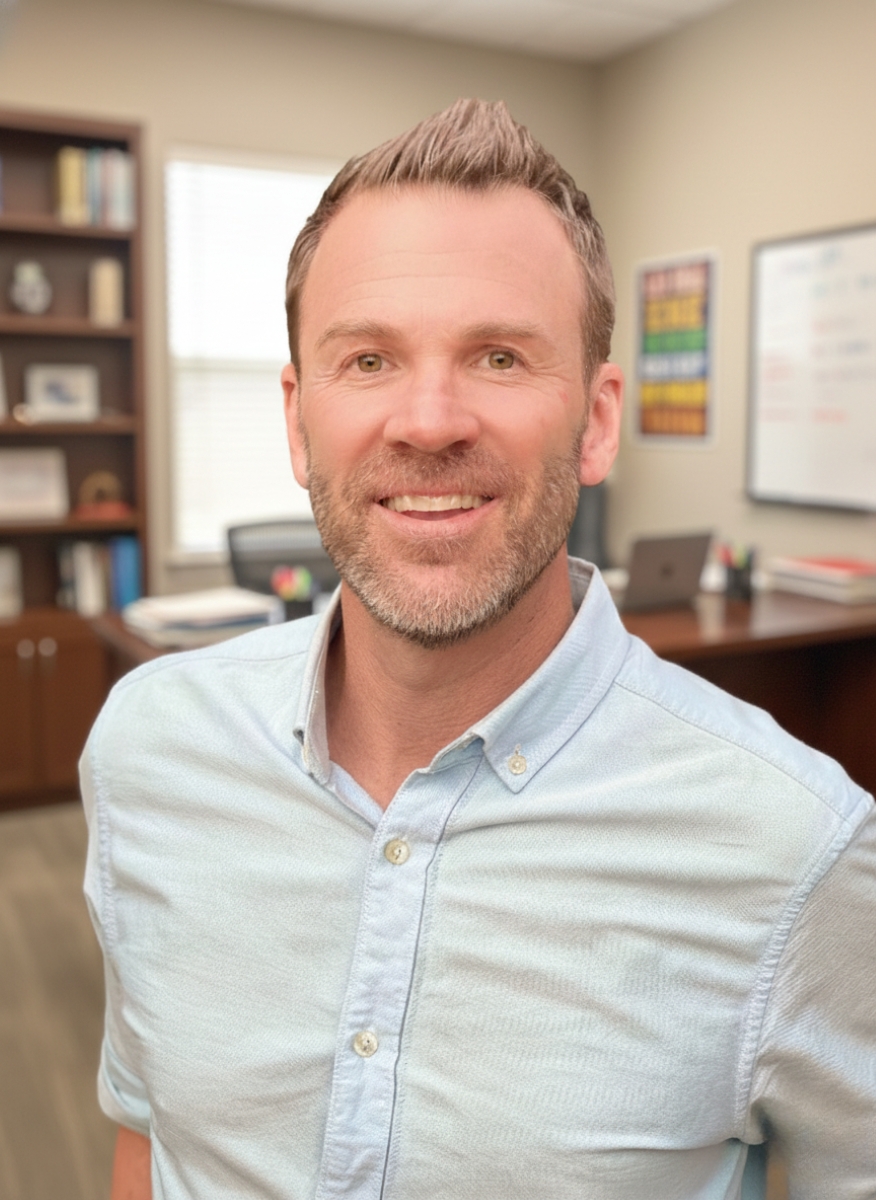
Once he had changed how he practiced, keeping quiet about it no longer felt like an option. He started sharing ideas online, initially to support other professionals and families searching for practical, respectful approaches. The response revealed just how many people were looking for exactly that. What began as scattered resources and observations grew into Speech Dude, a platform devoted to education, professional development, and advancing the broader conversation about autism and neurodiversity.
The transition was not without friction. Speaking publicly about autism support means wading into topics where opinions run strong, and consensus is thin. Debates about masking, communication, and what genuinely helpful support looks like have shifted dramatically over the past decade, and not everyone agrees. Wenger deliberately chose not to sidestep the hard conversations. Instead, he committed to listening, learning, and creating room for respectful dialogue, trusting that professionals grow when they stay open and willing to question what they thought they knew.
That approach built something durable: a large, engaged community of professionals, families, and neurodivergent individuals who trust him precisely because he keeps the voices of autistic people at the center. He now presents nationally and internationally on autism, neurodiversity, communication, and self-advocacy.
His creativity has also produced practical tools. Wenger developed the Dynamic Assessment of Social Emotional Learning (DASEL), a neurodiversity-affirming framework built to help professionals better understand autistic and neurodivergent students rather than simply score them. It reflects his conviction that assessment should illuminate a person, not reduce them, and that understanding is the necessary first step toward meaningful support.
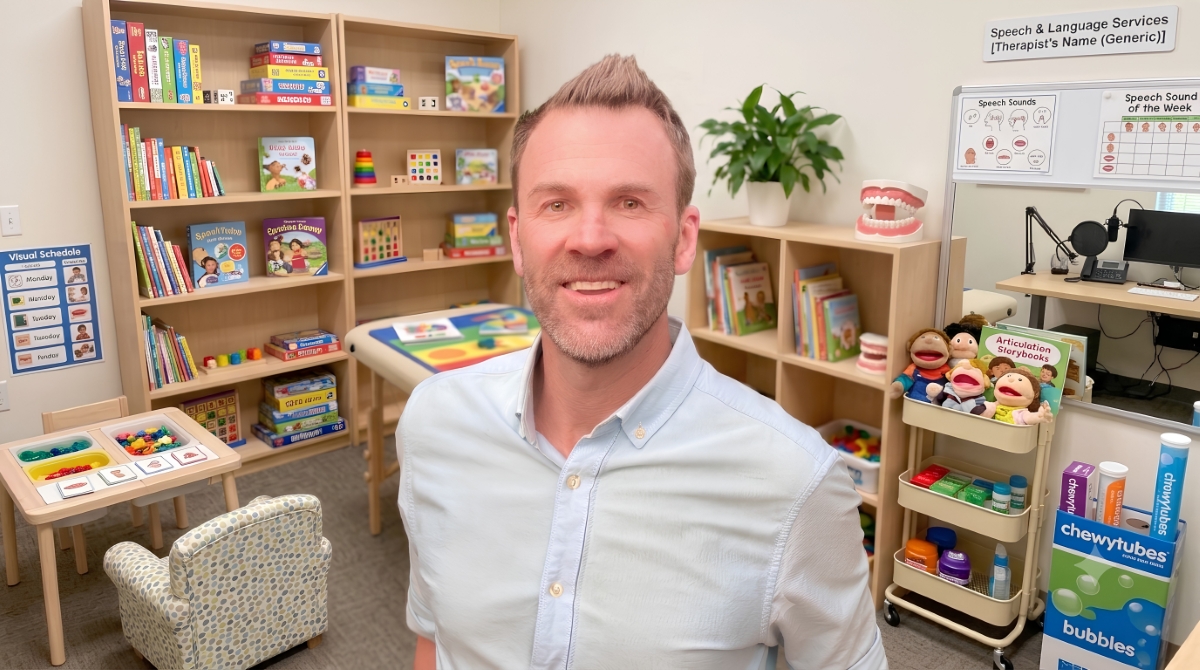
The next chapter is a shared one. Together with his wife, Jessie Wenger (Ginsburg), founder of Sensory SLP, they are building NeuroAffirm, a directory that helps families find neurodiversity-affirming therapists, educators, and professionals, and the NeuroAffirm Academy, which offers training and professional development in these practices. The pair grew directly out of what his audience kept asking for. Professionals wanted a place to learn and connect. Families wanted help finding providers who truly understood and embraced these approaches, since that search so often feels overwhelming.
Wenger carefully frames the larger story as bigger than himself. What he sees is a genuine shift in how society understands autism, communication, and neurodiversity, accelerated by social media’s ability to connect conversations that once happened in isolation. His hope is that his own journey, from a school-based clinician to a public educator, illustrates something he believes broadly: people are ready for more respectful, strengths-based ways of supporting autistic and neurodivergent individuals, and the momentum is already building across education, healthcare, and disability communities.
Learn more about Chris Wenger and explore his educational resources at speechdude.com, or connect with the neurodiversity-affirming community at neuroaffirm.com.